





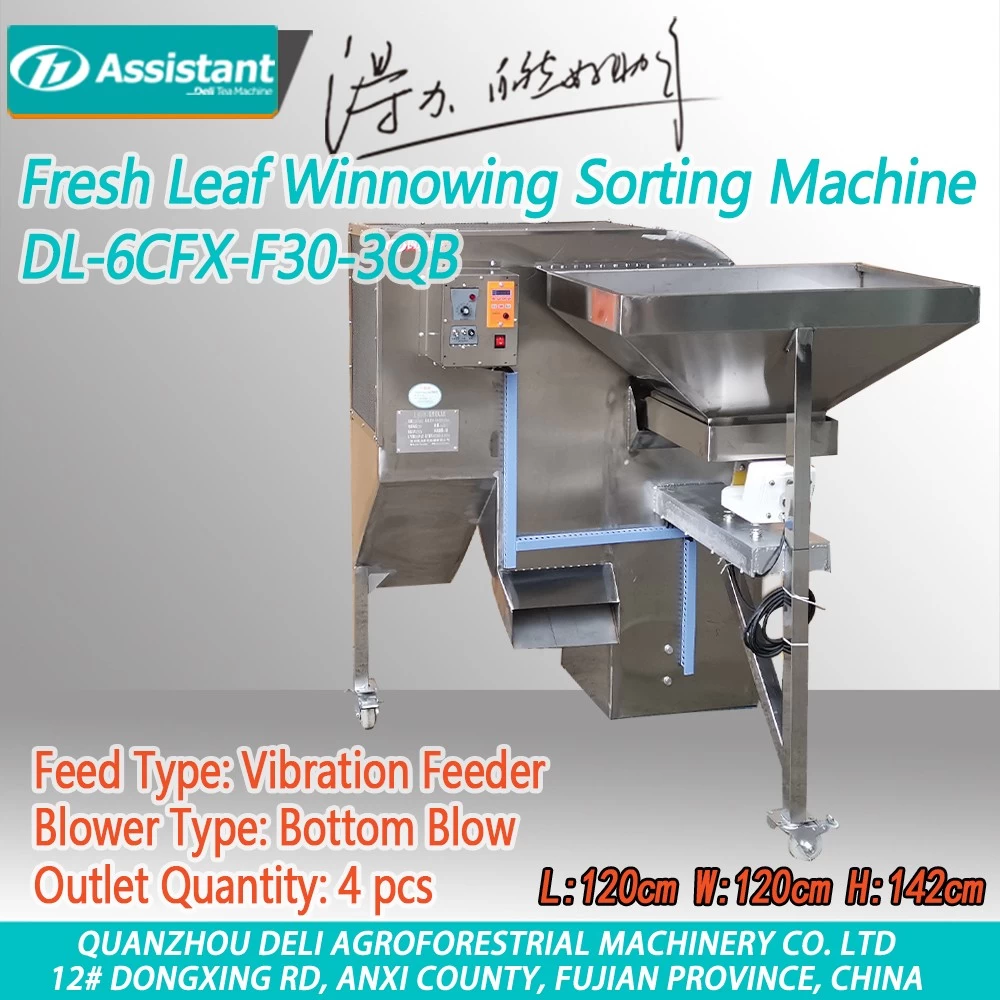
DL-6CFX-F30-3QB is a new type of tea screening equipment developed by our company, It can separate fresh leaves and finished tea in one machine. It can save money and workers. It can adjust the speed of screening and wind speed. It is a necessary good helper for tea factory!
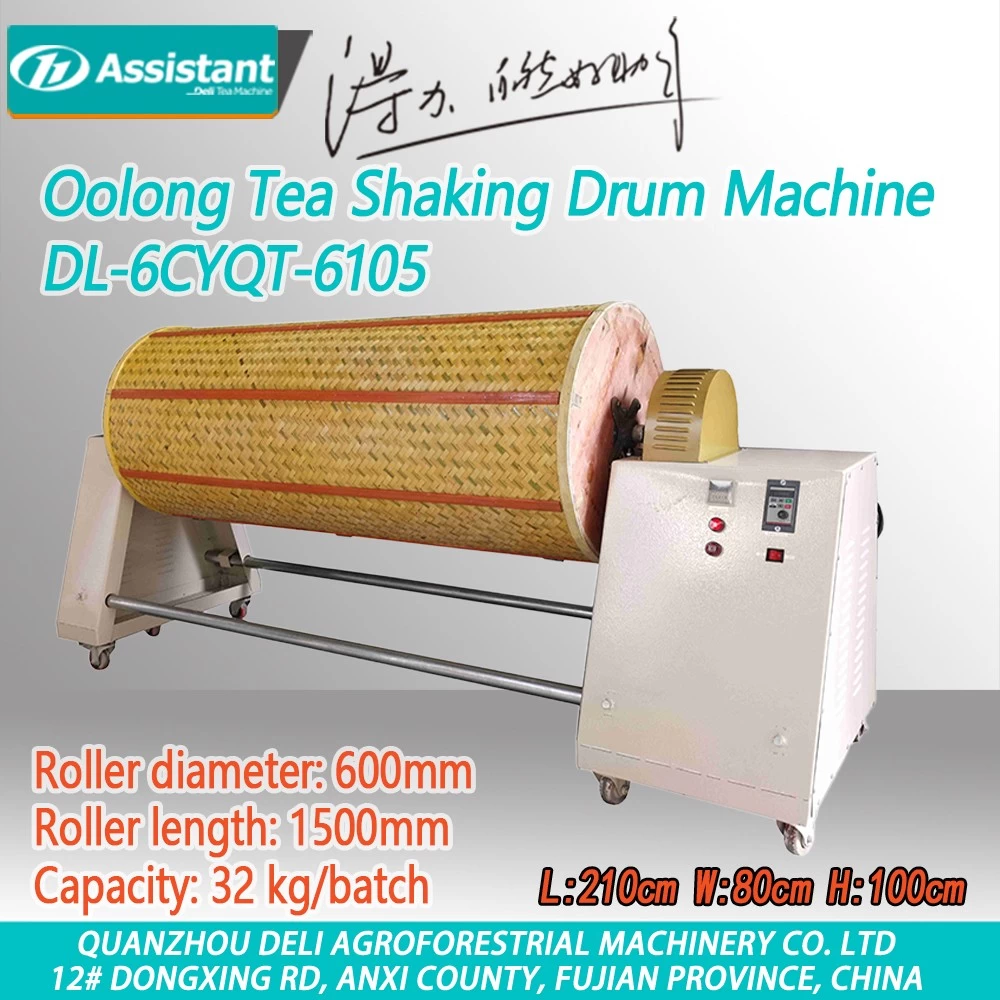
DL-6CYQT-6105 mainly used for Oolong tea processing, drum made of bamboo, the activity of withered tea was increased by shaking, It can make tea taste more fragrant, Capacity about 32 kg per batch.
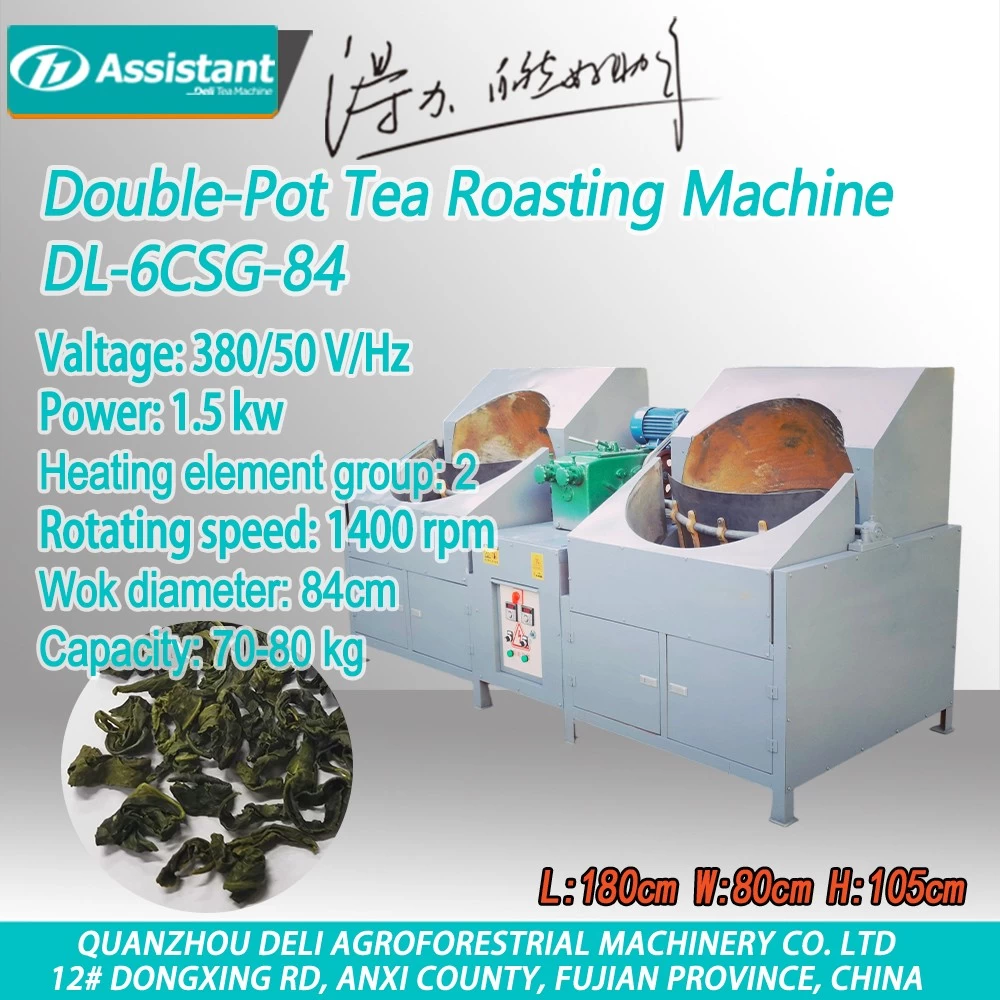
This machine is suitable for the shaping and roasting process of high-grade curly tea. Tea roasted by this machine features tight and neat strips, uniform curling, bright green color, visible white fuzz, and rich aroma—fully demonstrating the characteristics of high-quality tea. The machine's heating system offers two options: electric heating and liquefied gas heating, allowing users to choose flexibly based on their actual needs.

The Matcha ball mill is designed for post-drying grinding of agricultural products (e.g., ground tea, Chinese medicinal materials) with advantages of low-temperature grinding (5-15℃) to retain raw material color and aroma, fine fineness (500-1000 meshes), PLC-controlled easy operation, and durable structure.
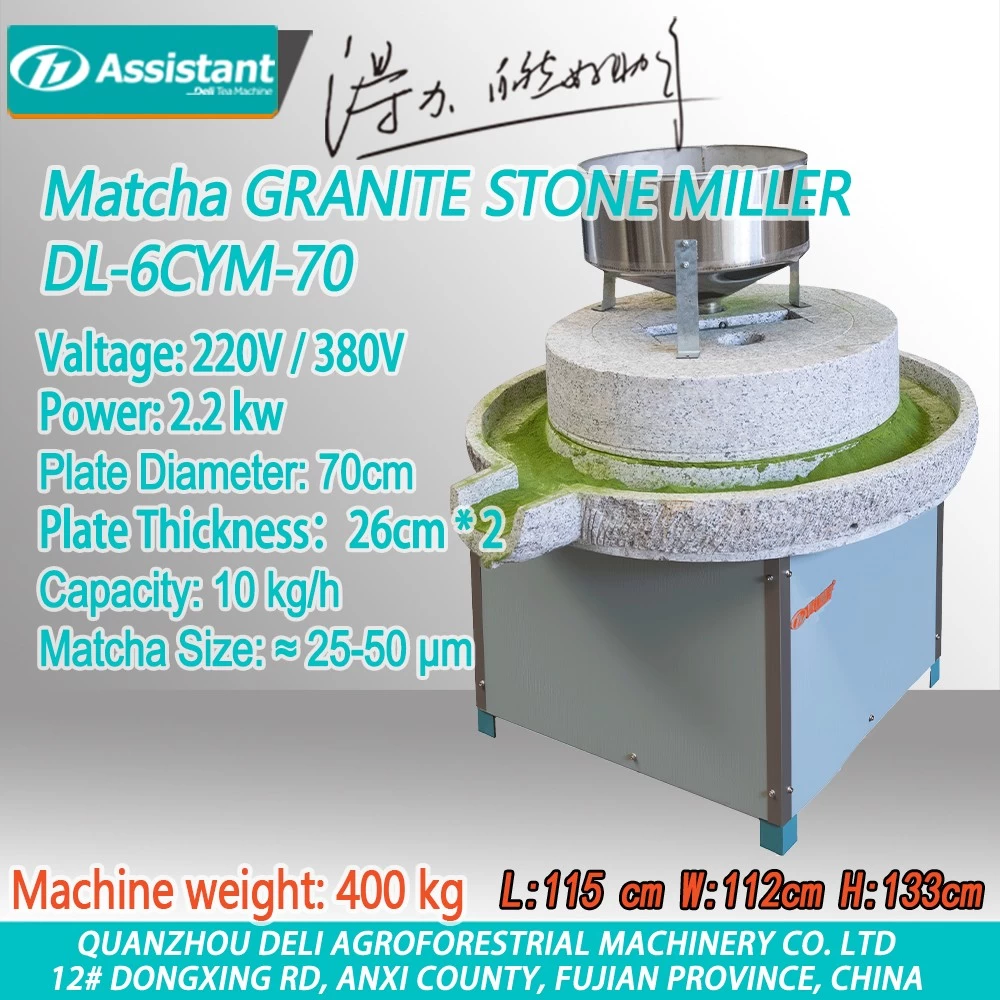
The Matcha ball mill is designed for post-drying grinding of agricultural products (e.g., ground tea, Chinese medicinal materials) with advantages of low-temperature grinding (5-15℃) to retain raw material color and aroma, fine fineness (500-1000 meshes), PLC-controlled easy operation, and durable structure.
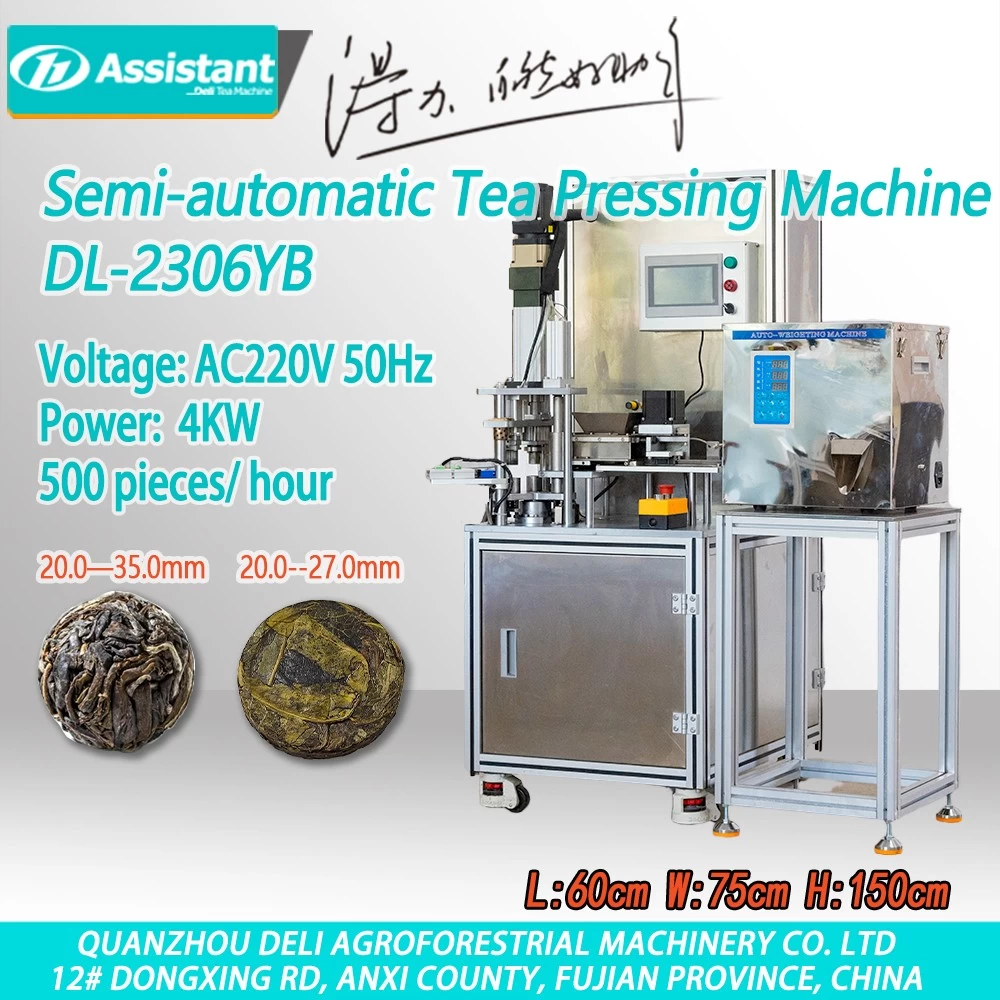
Single Semi-automatic Tea Pressing Machine, working with a small granular filling machine, enables quantitative filling and efficient pressing. Powered by 220V and 4.0KW, it produces 500 pieces per hour, supporting round tea cakes (20.0-35.0mm) and dragon ball-shaped teas (20.0-27.0mm). User-friendly and safe, it’s ideal for processing Pu-erh, white, and dark compressed teas.
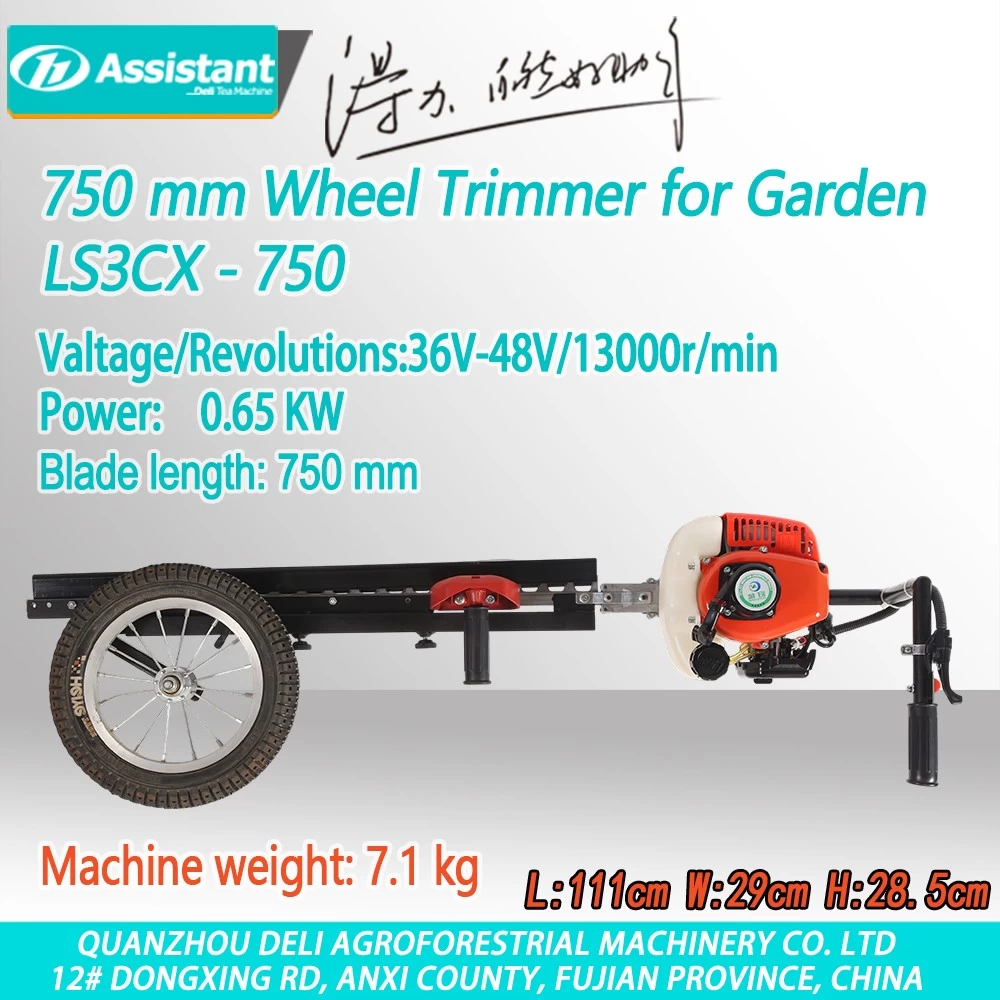
Discover the LS3CX - 750 High Efficiency Wheel Trimmer, your ultimate solution for pruning in gardens, along roads, and in tea gardens. This trimmer comes with an adjustable height function, enabling you to adapt to different plant heights. Its high - performance cutting system ensures efficient and clean cuts on grass, shrubs, and tea branches. With a user - friendly wheel - based design, it offers easy maneuverability, making pruning tasks a breeze. Ideal for both professional landscapers and gardening enthusiasts.
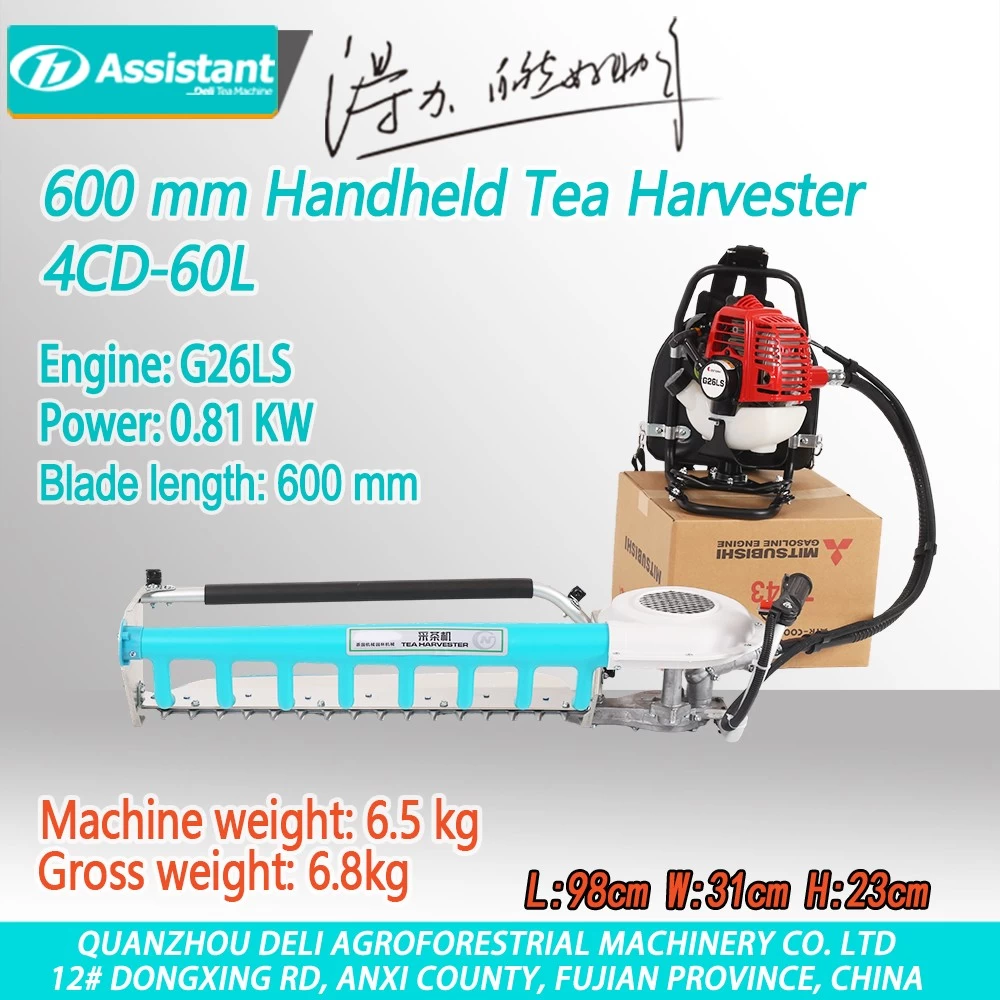
4C-60L is a handheld automatic tea plucking machine designed for tea gardens. Equipped with a 2-stroke gasoline engine and a 600mm reciprocating cutter head, it efficiently harvests tea leaves with precision. Weighing only 10-14.3kg and featuring a backpack design, it ensures flexible and lightweight operation for prolonged use.
The 0.7L fuel tank supports hours of continuous work, while the centrifugal friction clutch transmission system delivers stable power and easy maintenance. Its comb-type cutting technology separates buds and leaves accurately, minimizing damage, and the negative-pressure suction tube directly collects fresh leaves into a waist-mounted bag, integrating "picking-collection" into one process
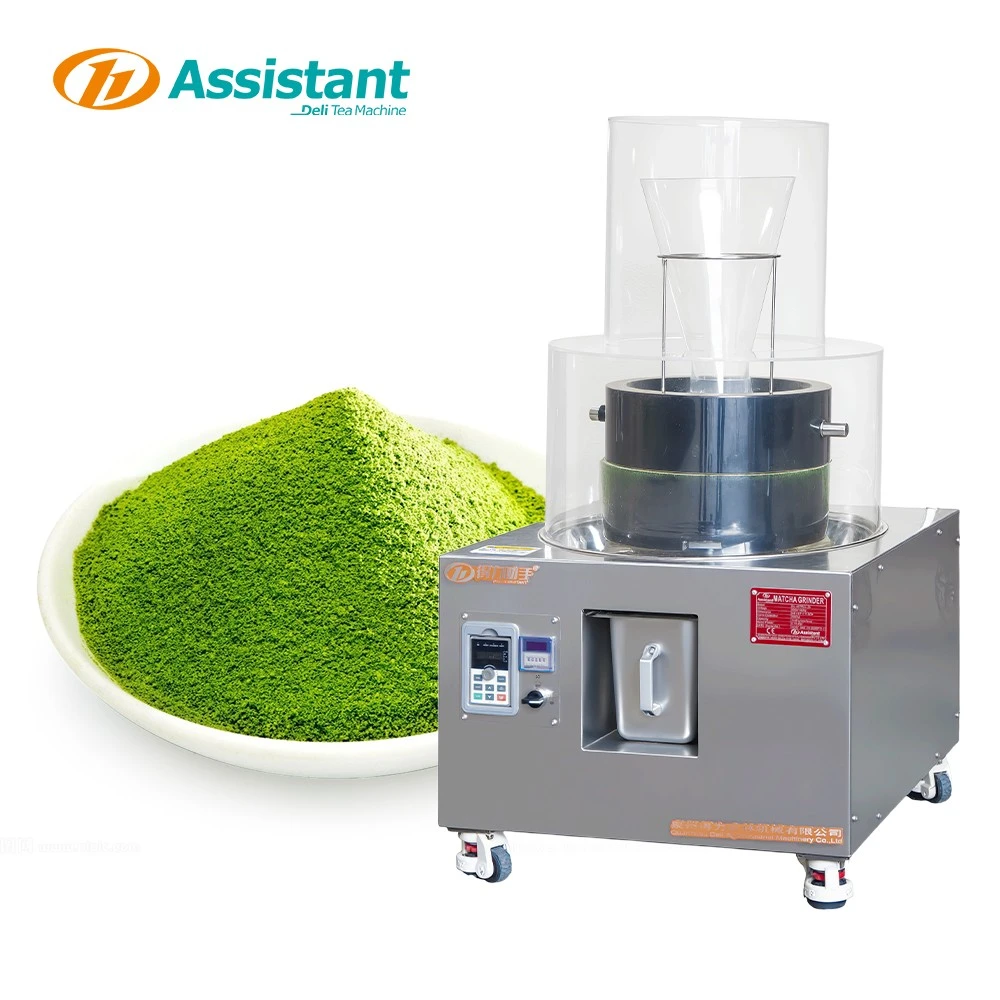
Uncover matcha’s 1,000-year journey from Tang Dynasty China to global popularity: how ancient cultures crafted and savored it, fresh modern ways to enjoy it, and why the Black Gold Stone Matcha Grinder is a must for premium matcha lovers.
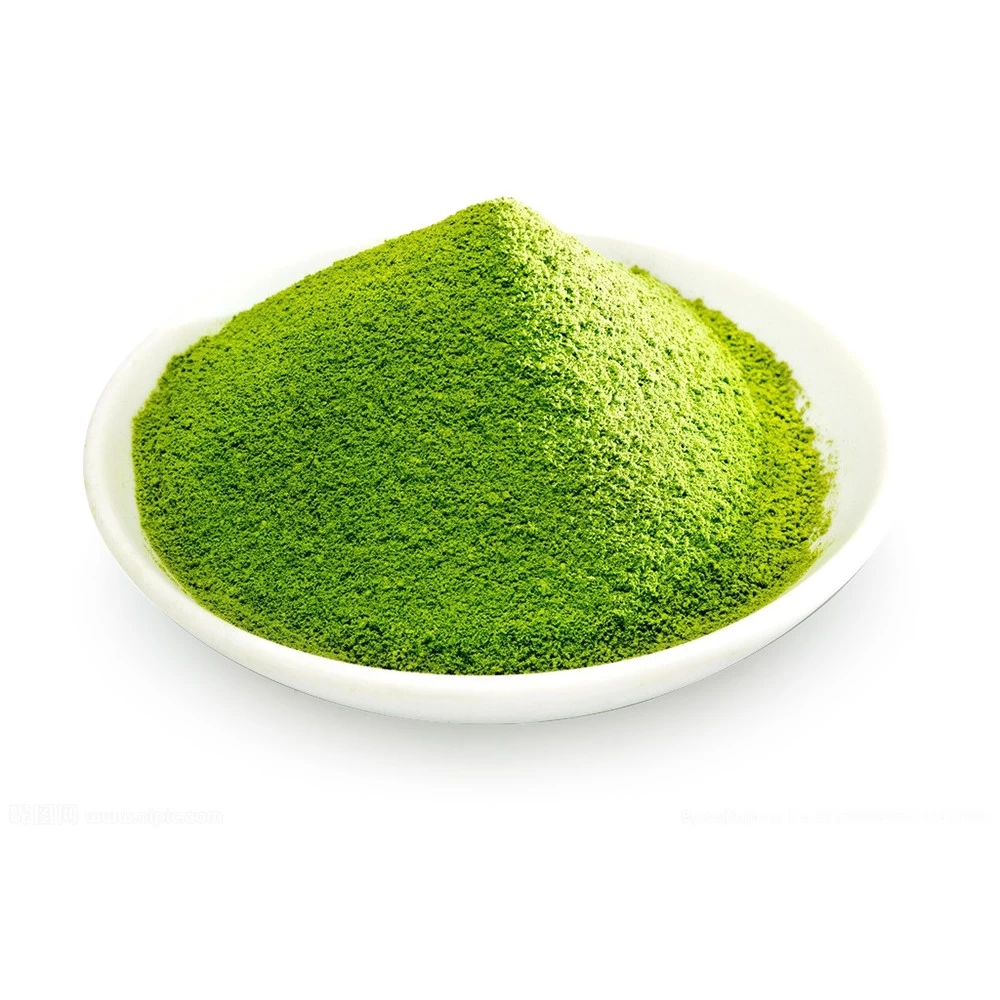
This article compares three matcha devices (granite/black gold stone mills, ball mill) & their params, aiding selection for mid-end, high-end, industrial matcha.
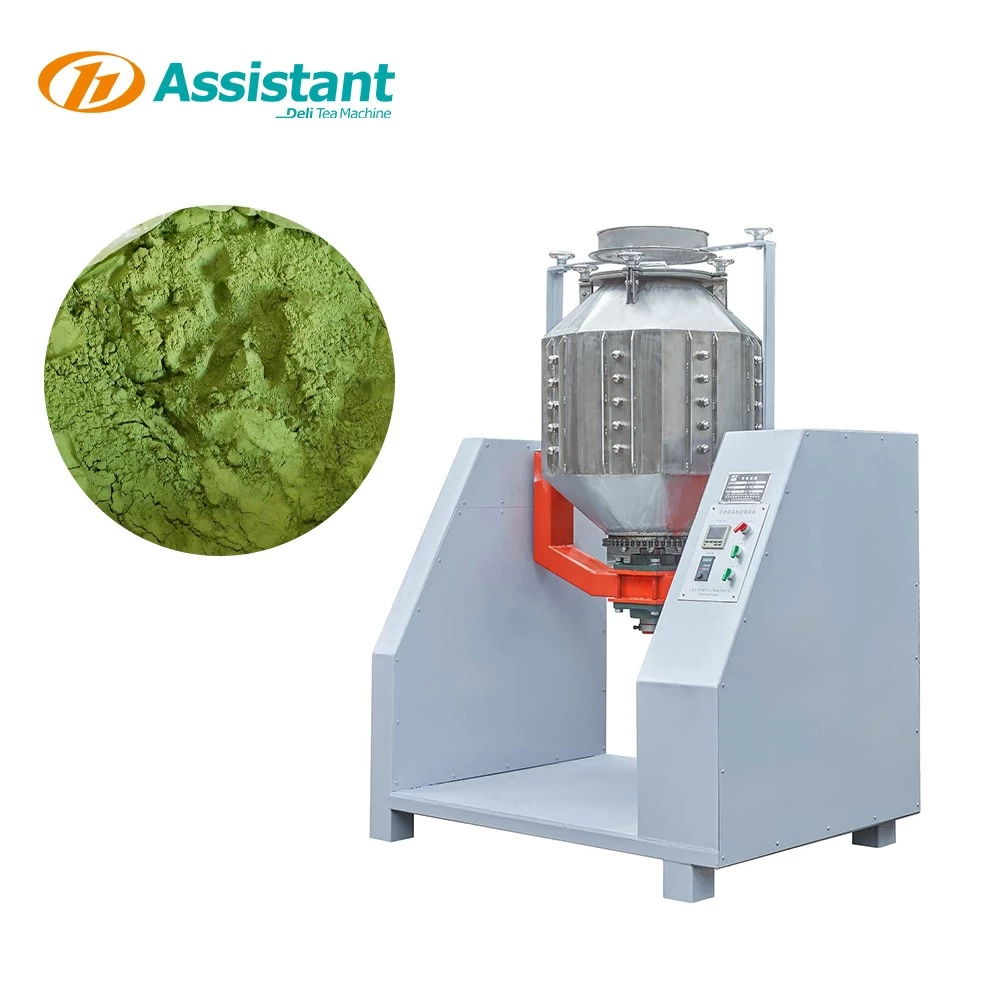
This blog does not say two basic Matcha production processes (stone frilled and ball mills) and three main machines (granite stone mills, black gold stone mills, black gold stone mills, black gold stone mills, black gold stone mill and ball mill) are multi-dimensional comparison. Matcha manufacturers and enthusiasts help to choose the most suitable equipment, but also a small bulk-premium production and professional parameters and practical concepts for large-scale industrial needs.
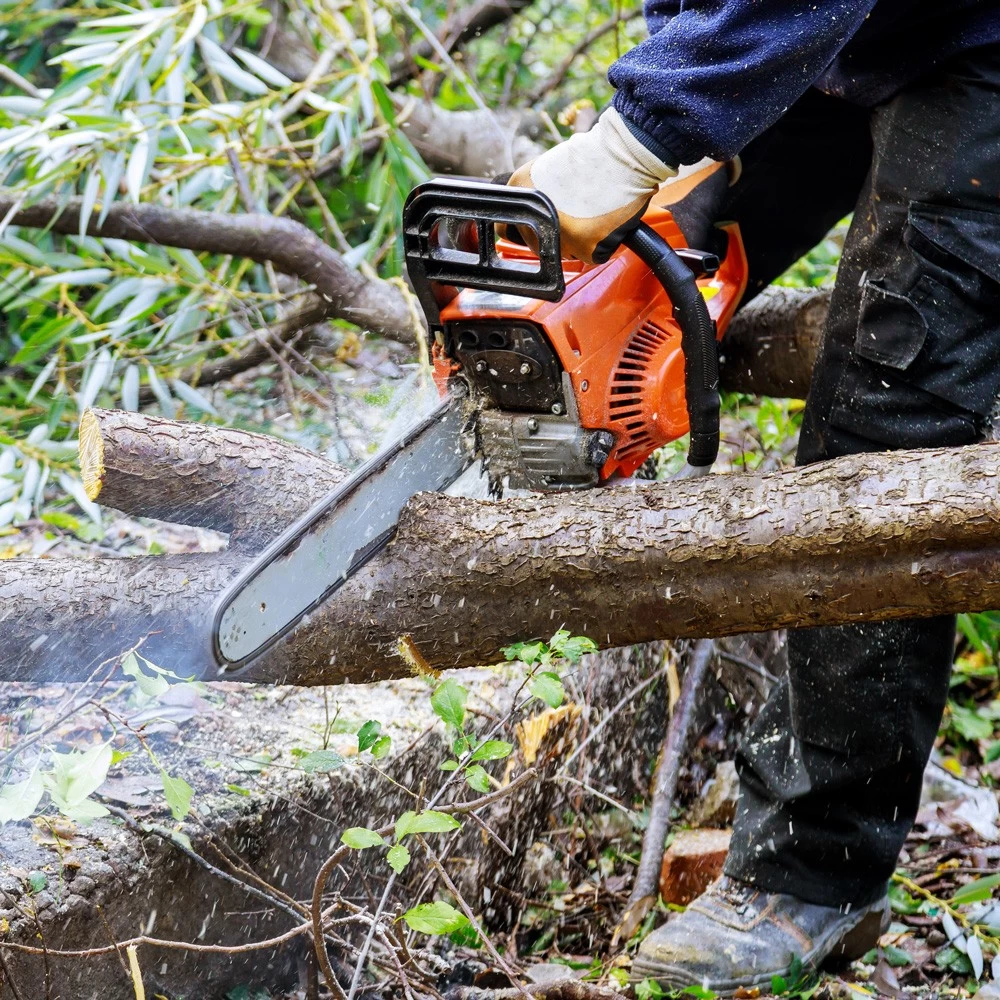
Discover the ideal garden pruning tool! Compare manual shears, hand saws, small electric chainsaws with the 24 Inch 58cc Gasoline Chainsaw GN5800. Explore its power, durability & versatility for efficient pruning.
What is dryness? The "Chinese Tea Dictionary" says: "The process of letting excess water vaporize, destroying enzyme activity, inhibiting enzymatic oxidation, promoting thermochemical reactions of the contents of tea, improving the aroma and taste of tea, and forming a shape. The beginning of tea The last process of making, after refining, also need to be dried. Drying temperature, amount of leaves, time, operation method are the technical indicators to ensure product quality.
After the white tea wither reaches the technological requirements, it enters the drying stage of the initial production process, that is, baking (drying).
How many ways are white tea drying?
The drying stage is roasting, and white tea drying methods include charcoal drying, electric roasting cage, and mechanical drying machine.
The drying process of white tea combines traditional and modern methods. The traditional method is roasting with charcoal fire, and the modern method uses a white dryer for drying.
What are the characteristics of traditional drying technology and modern drying technology?
Traditional drying process: roasting on charcoal fire. This method has been popular since the Ming and Qing dynasties, and it has been passed down to the present and is widely used. The composition of the baking cage is made of bamboo strips. After charcoal roasting, the white tea has an obvious charcoal and fine aroma. The characteristics of the white tea aroma and taste made by this drying process are widely loved.
Modern drying technology: Most modern white tea production uses dryers, electric roasters cage, and tea drying machine to complete drying. Tea drying machine is used when the withered leaves of white tea reach 90% dryness.
Due to the different drying methods, the aroma and taste of white tea will be slightly different. Regardless of the traditional drying method or the modern drying method, the ultimate goal is to promote the vaporization of the moisture of the tea, so as to meet the storage and drinking standards. .
The standard stipulates that the moisture content of white tea must be less than 8%, and the moisture content of white tea treated by the drying process is mostly controlled below 6%. For long-term storage, the moisture content of tea should be around 5%-6%.