1. Single vs Multi-Operator Trimmers: Scale and Labor Needs
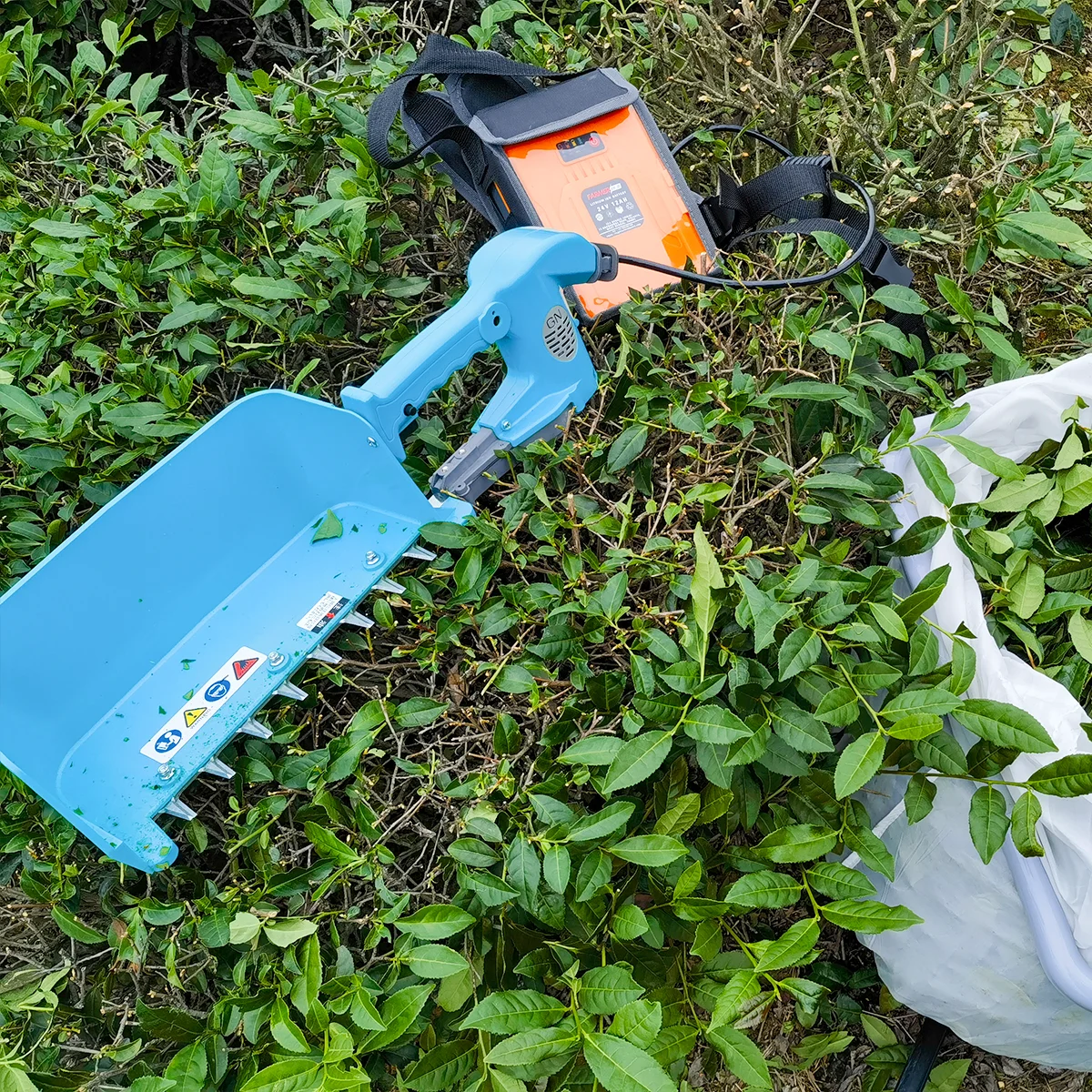
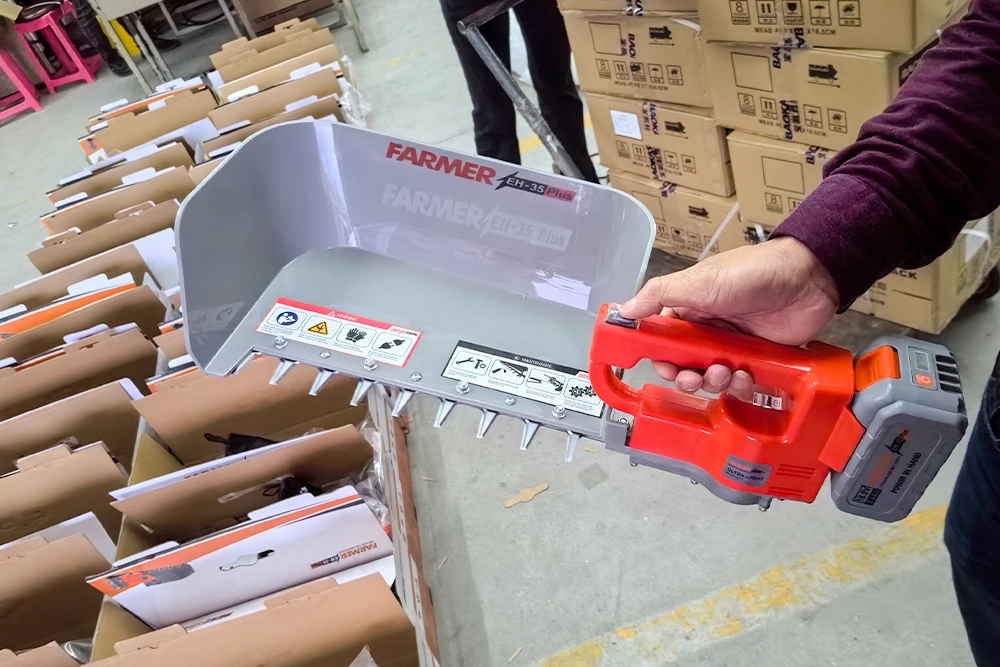
- Single-Operator Trimmers (e.g., handheld pruners, lightweight electric trimmers):
- Pros: Ideal for small-scale gardens or precise pruning. Lightweight (5-10kg), easy to maneuver for detailed work on individual bushes. Low upfront cost, suitable for hobbyists or micro-plots.
- Cons: Limited productivity for large areas (1-2 acres/day). High operator fatigue over long hours; not efficient for uniform, large-scale trimming.
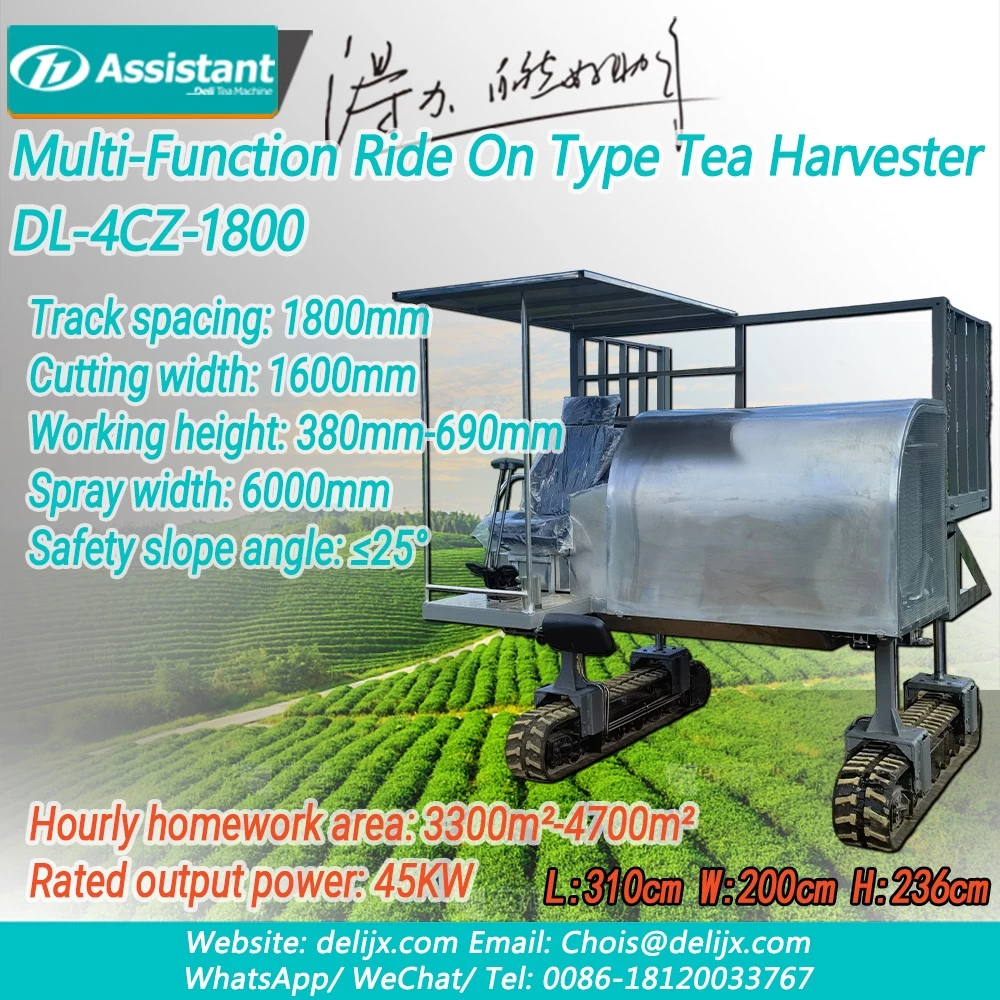
- Multi-Operator/Motorized Trimmers (e.g., wheeled trimmers like LS3CX-750, tractor-mounted models):
- Pros: Designed for mid-to-large plantations (5+ acres/day). Mechanized wheels or tracks reduce labor effort, with adjustable heights for consistent cuts across rows. Perfect for commercial use where speed and uniformity matter.
- Cons: Higher initial investment. Requires some training for optimal operation, though modern models (like the LS3CX-750) feature intuitive controls.
2. Terrain Adaptability: Flat Fields vs Hilly Gardens
- Gas-powered wheeled trimmers shine here, offering high speed and straight-line precision. Models with wide wheels (e.g., LS3CX-750’s durable wheels) glide smoothly, minimizing soil compaction.
- Prioritize lightweight, compact designs or tracked trimmers to prevent slippage. The LS3CX-750’s adjustable height and balanced wheelbase make it suitable for gentle slopes, while steep hills may require handheld electric trimmers for safety and control.
3. Power Source: Electric vs Gas Trimmers
- Electric Trimmers (battery-powered or corded):
- Pros: Quiet operation, zero emissions, lower maintenance (no engine upkeep). Cost-effective for small areas with easy access to charging stations.
- Cons: Limited runtime (2-4 hours per charge for battery models), restricted by cord length for wired options. Less powerful for thick branches; best for light pruning.
- Gas Trimmers (petrol/diesel-powered):
- Pros: High power for tough vegetation, unlimited runtime (with fuel refills). Ideal for remote gardens without electricity. The LS3CX-750’s gas engine ensures consistent performance across varied foliage densities.
- Cons: Higher noise and emissions, regular engine maintenance, and slightly heavier weight (15-20kg).
4. Plantation Size and Efficiency Match
- Small Gardens (<5 acres):
- Balance cost and convenience with single-operator electric trimmers or lightweight gas models. Focus on precision for young tea bushes.
- Mid-to-Large Plantations (5+ acres):
- Invest in multi-operator wheeled trimmers like the LS3CX-750. Its adjustable height (10-30cm cutting range) and 750W motor tackle dense growth efficiently, trimming up to 5 acres daily with minimal operator strain.
Why the LS3CX-750 Stands Out
- Multi-Scenario Versatility: Adapts to gardens, roadsides, and tea fields with its height-adjustable design, making it a dual-purpose tool for both plantation maintenance and landscape trimming.
- Durability: Hardened steel blades and corrosion-resistant body withstand frequent outdoor use, outlasting cheaper plastic-based models.
- Operator Comfort: Wheeled design reduces back strain, while the ergonomic handle ensures control during long hours—critical for retaining labor efficiency.
Conclusion
Choosing a tea garden trimmer depends on your scale, terrain, and power preferences. Small plots may thrive with electric handheld tools, while commercial growers benefit from gas-powered wheeled models like the LS3CX-750 for their speed and adaptability. Prioritize durability and ease of use to maximize long-term ROI, and remember: the right tool can transform trimming from a labor chore into a streamlined, efficient process.