





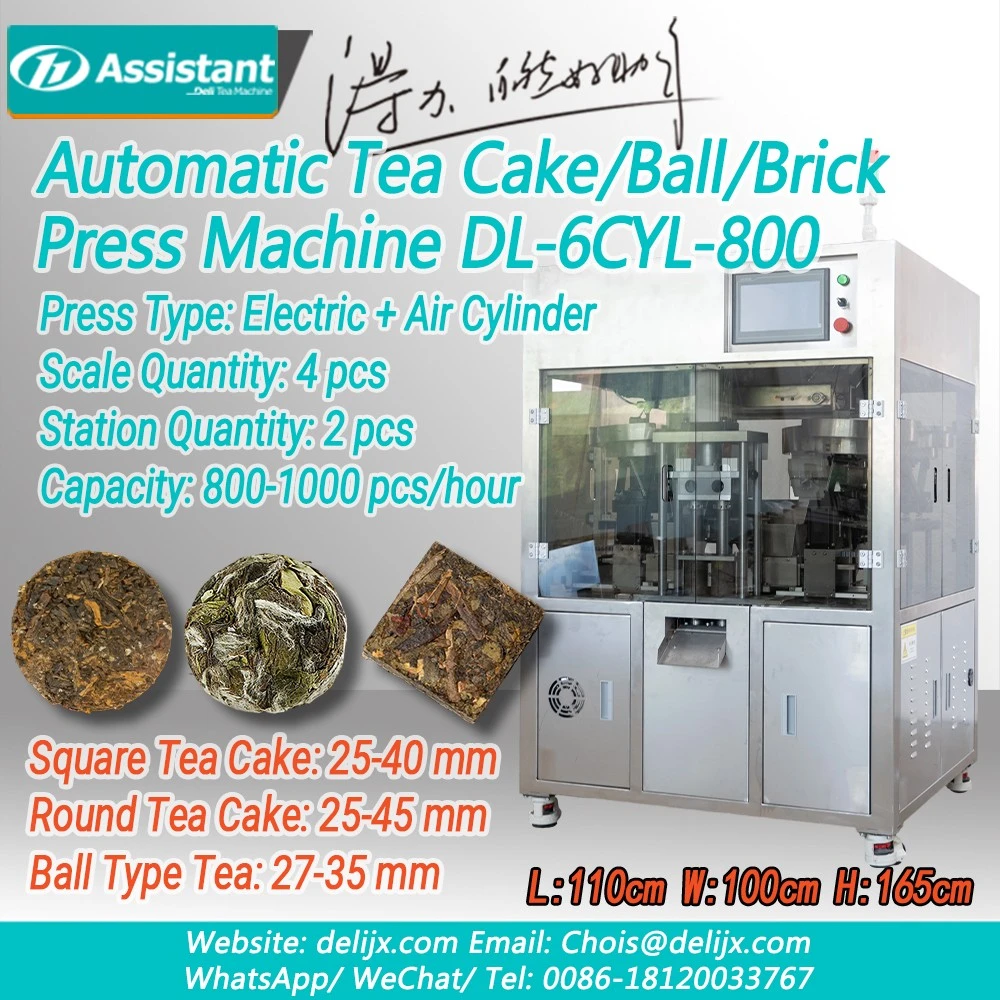
The DL-6CYL-800 automatic tea cake pressing machine is applicable for pressing ball type tea, round tea cakes and square tea cakes. Its production capacity is 800-1000 pieces per hour. The sizes of tea cakes that this machine can produce are as follows: square tea cakes (25-40 mm), round tea cakes (25-45 mm), and ball type tea (27-35 mm).
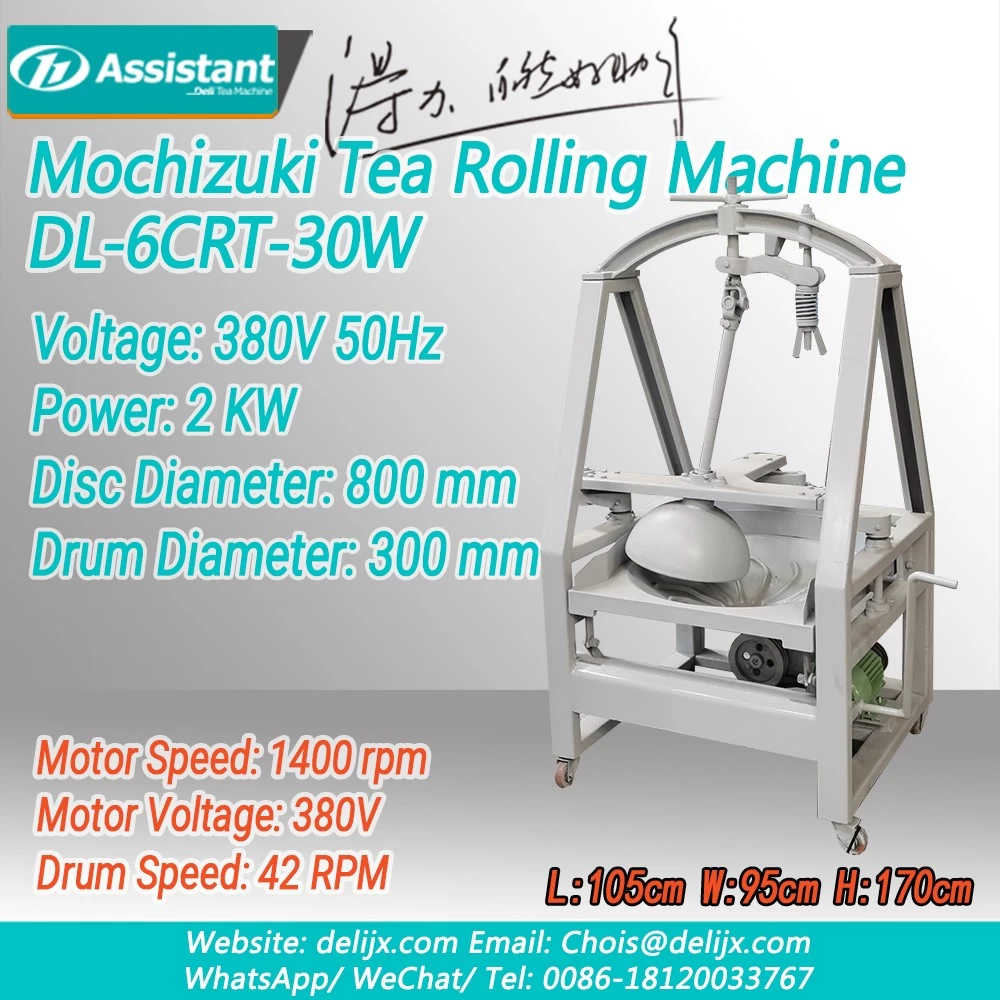
Oolong Tea Rolling Machine specializes in tea rolling and shaping. With precise pressure control, it releases tea juice, enhances aroma, ensures stable quality, and suits green tea, oolong tea, etc.—a top choice for tea enterprises.
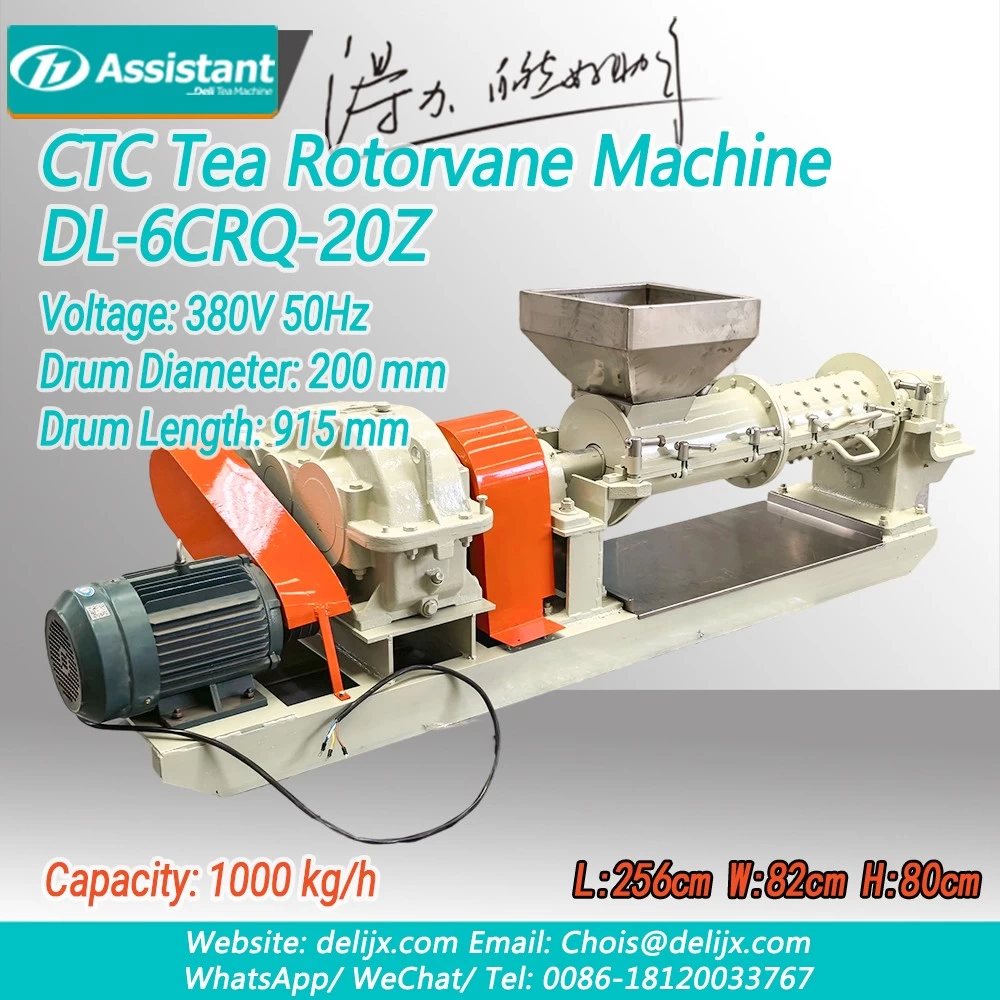
DL-CRQ-20Z CTC black tea HRS Gyrovane rotorvane machine mainly used for processing CTC black tea.
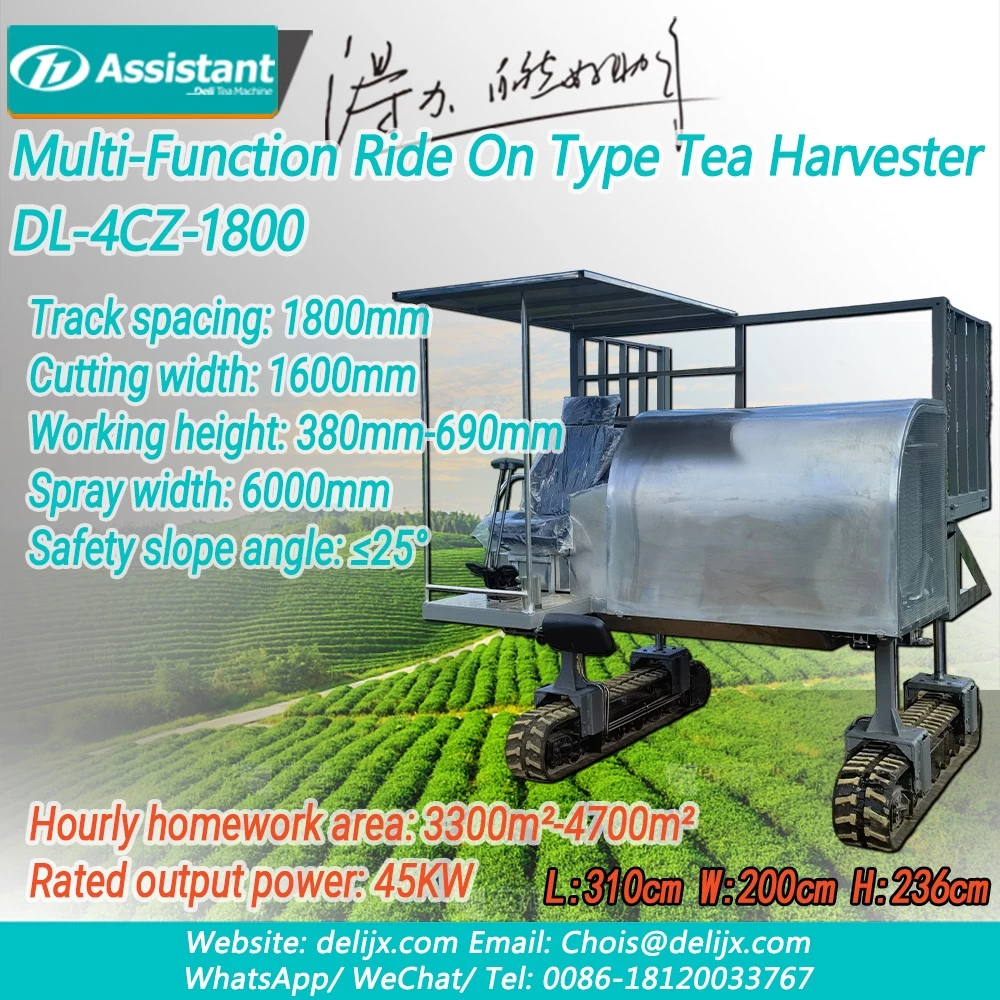
The Multi-Function Ride On Type Tea Harvester is a high-performance tool for commercial tea gardens. Featuring ride-on operation, adjustable picking parameters, and integrated collection/sorting, it replaces manual picking to save labor significantly. With 5-10x higher efficiency (0.3-0.8 ha/h) and precision plucking that preserves tea quality, it’s ideal for modern large-scale tea production.
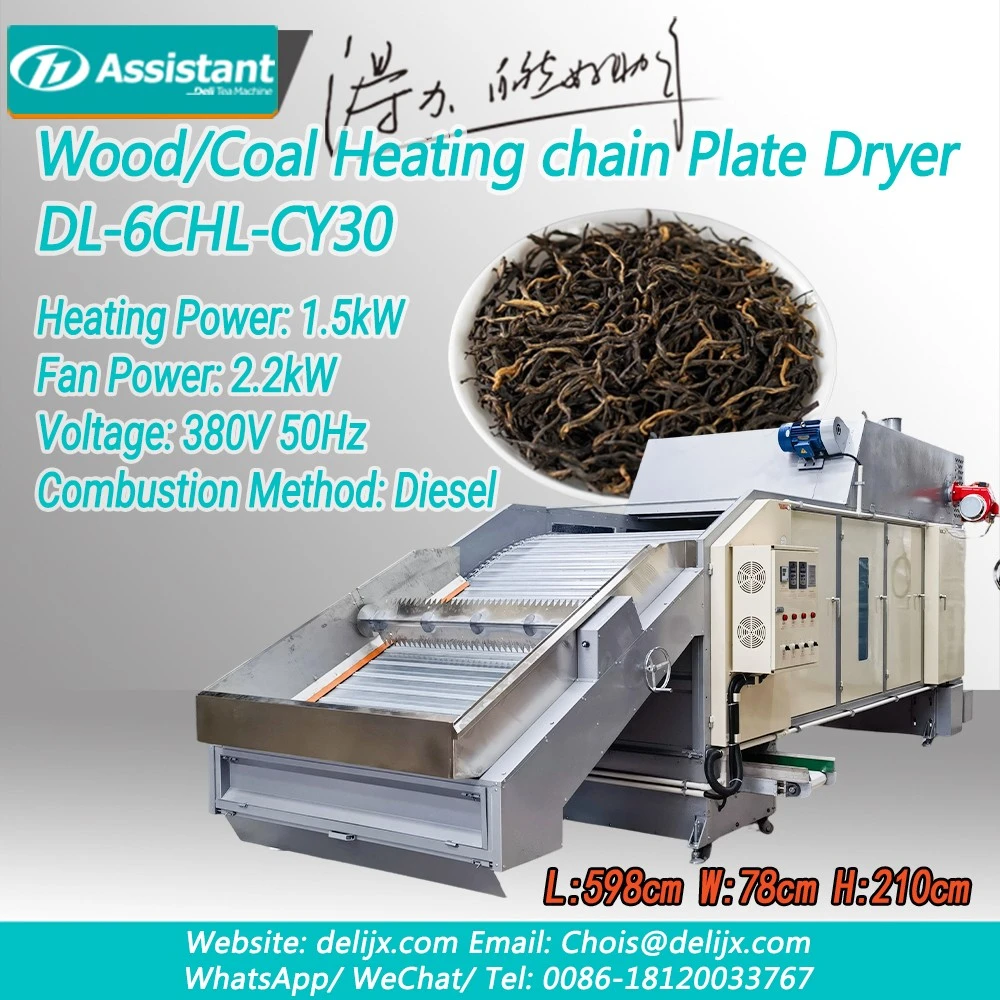
DL-6CHL-CY30 belt type tea dryer use diesel heating, also can use gas heating, drying area 20m2, capacity 105kg per hour, click the photo to learn more details about our drying machine.
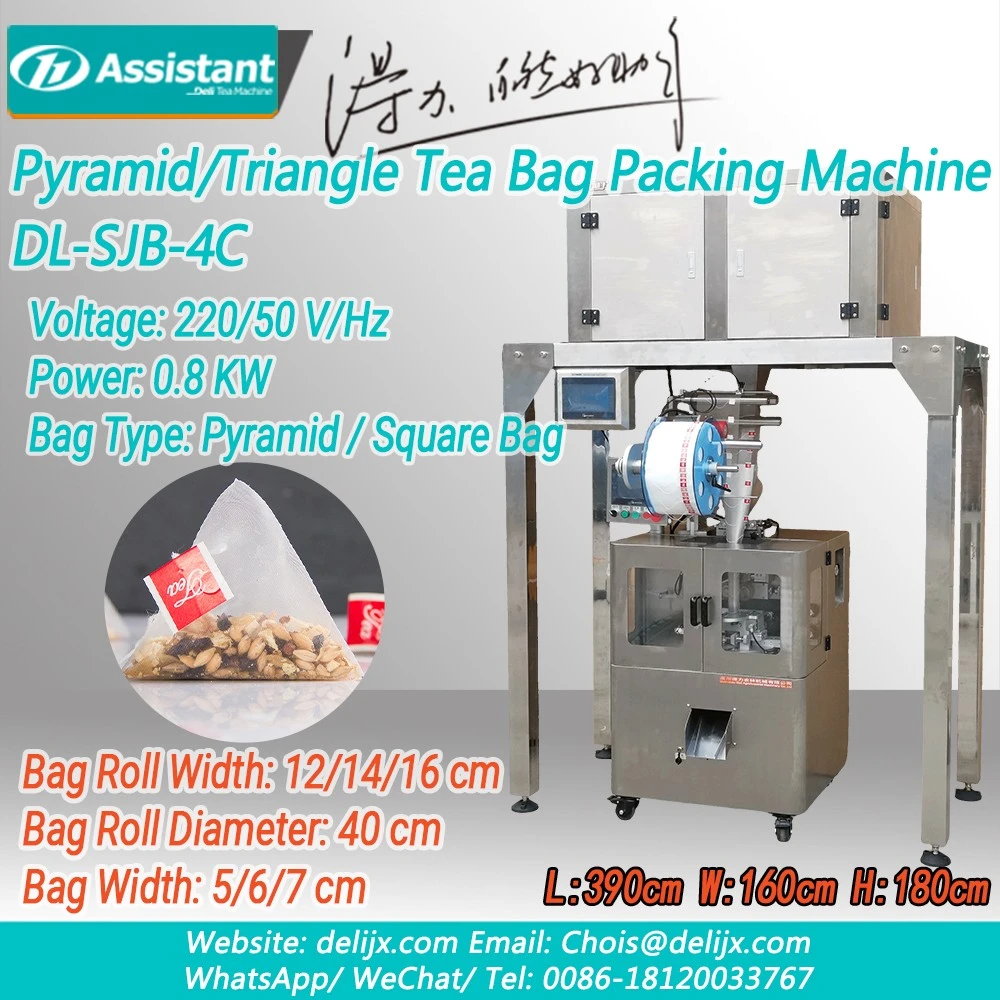
Pyramid/Triangle Tea Bag Filling Packaging Machine is widely applicable in tea processing plants, food and beverage companies, health product manufacturers, and OEM/ODM tea brands. It is suitable for packaging various teas, including loose-leaf tea, herbal tea, scented tea, functional tea, and instant tea, making it an essential equipment for upgrading the tea packaging process in both domestic and international markets.
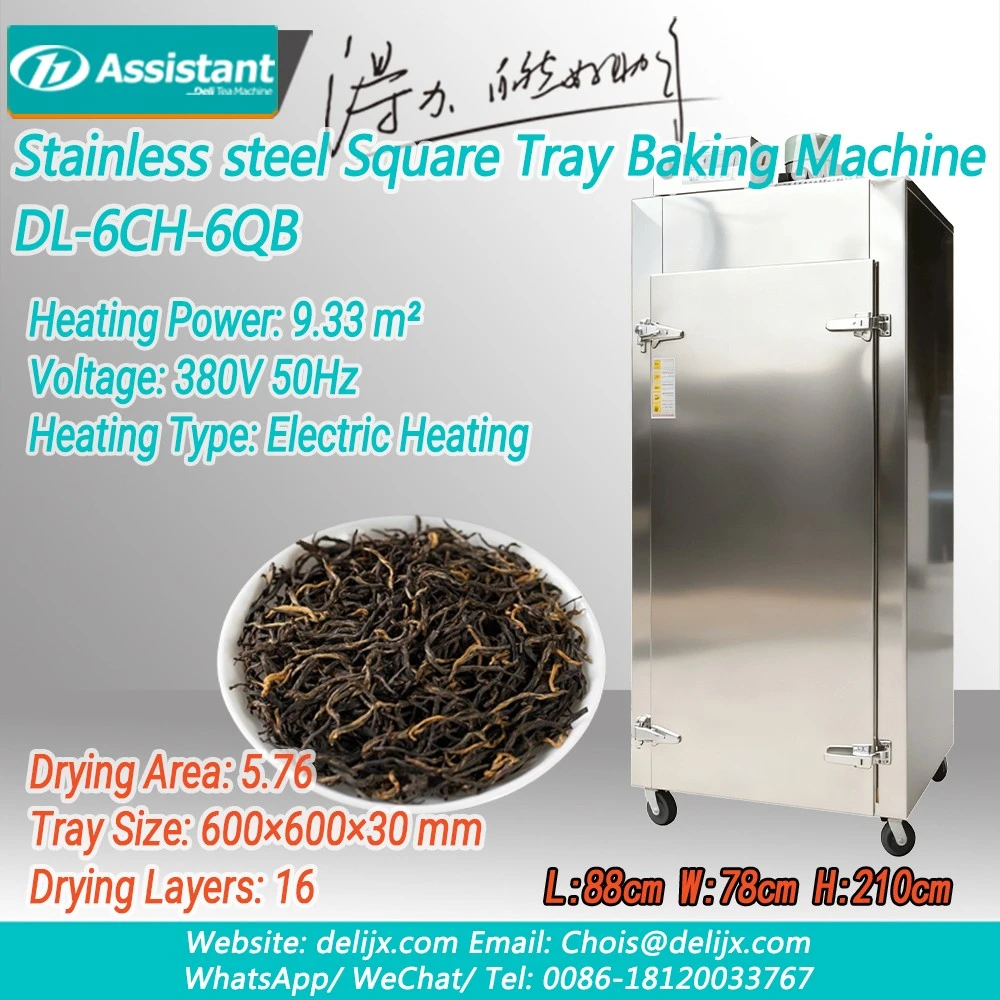
Square Tray DL-6CH-6QB is a square tray baking cabinet-style Tea leaf baking machine, featuring stable temperature control, uniform heating, ideal for batch tea processing with efficient performance.
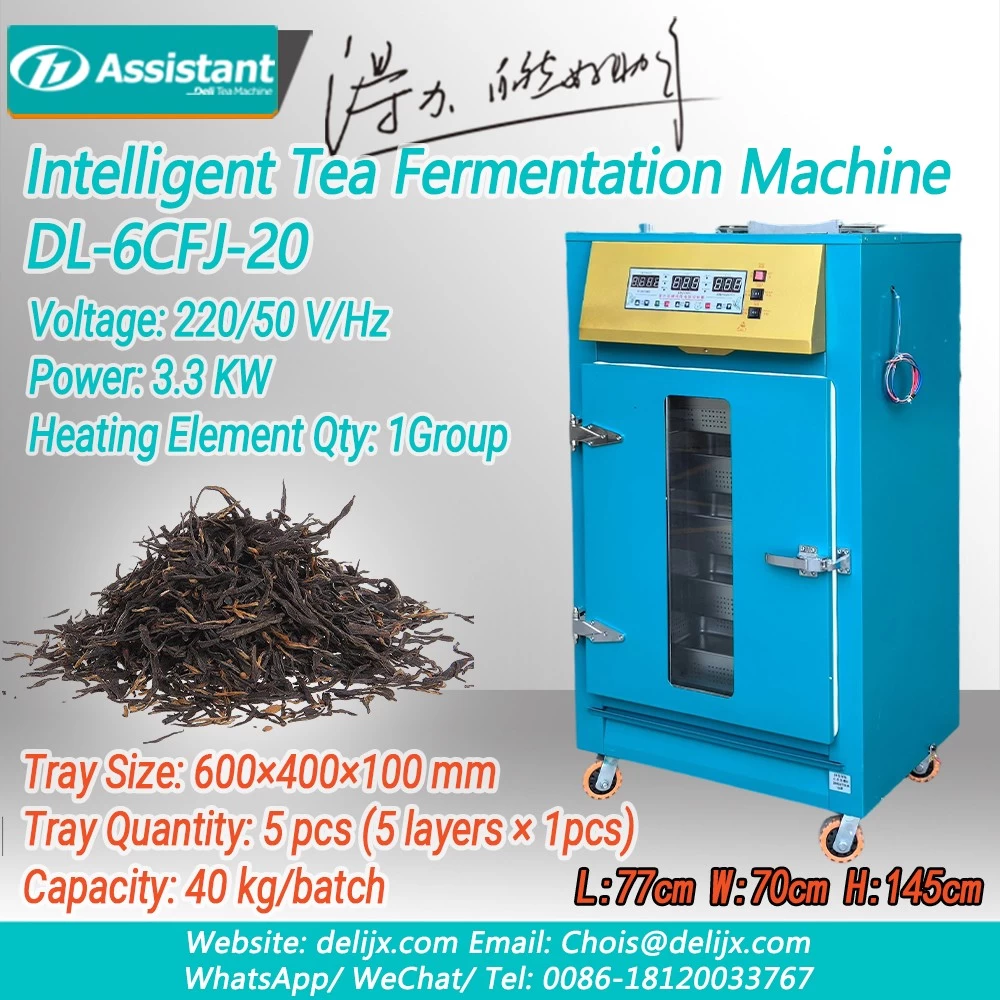
DL-6CFJ-20 used for black tea and dark tea processing, through the intelligent control of temperature and humidity, let tea oxidation fermentation to the best quality, machine has 5pcs stainless steel tray, capacity 60 kg per batch.
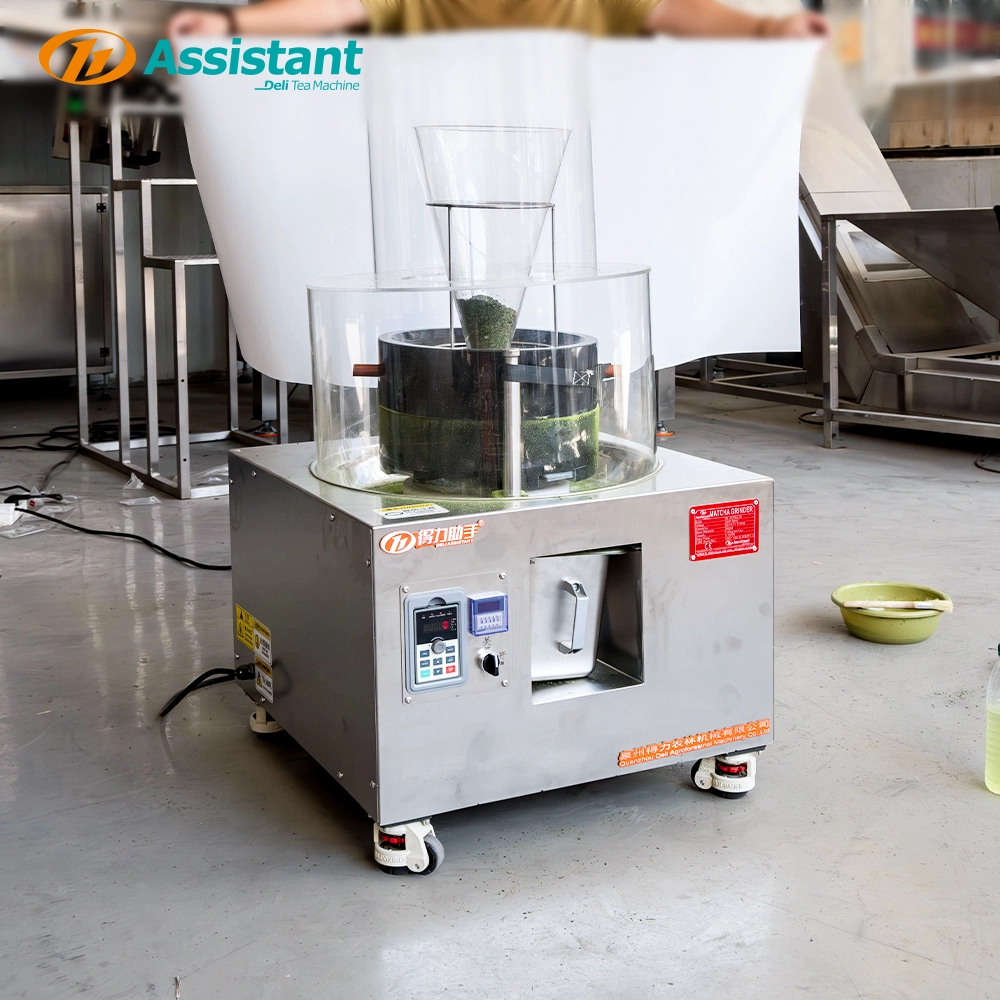
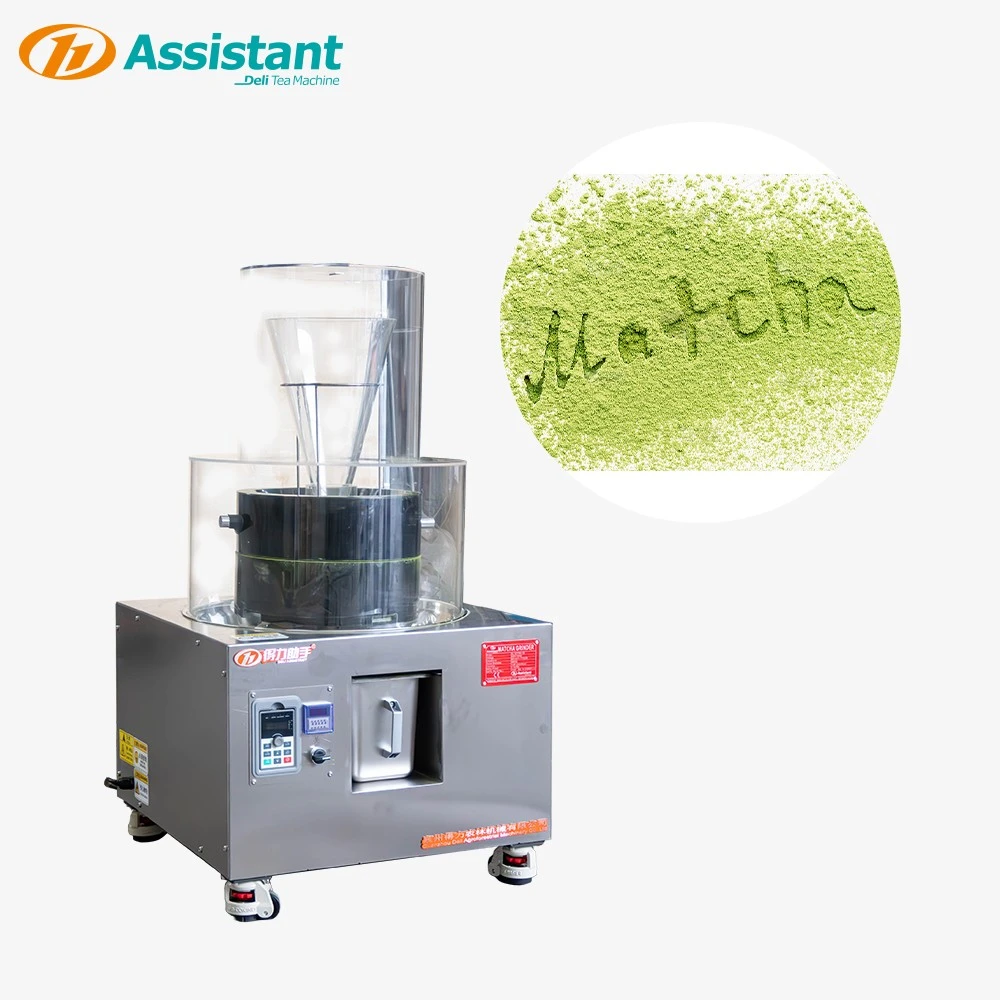
Capitalize on the global matcha boom with our new DL-6CYMJ-32 Black Gold Stone Grinder. Featuring a traditional 35cm stone mill and precise low-speed rotation (0-38 rpm), this machine produces ultra-fine ($\le$ 0.15$\mu$m) matcha while preserving vibrant color and rich nutrients. Perfect for high-end tea factories.
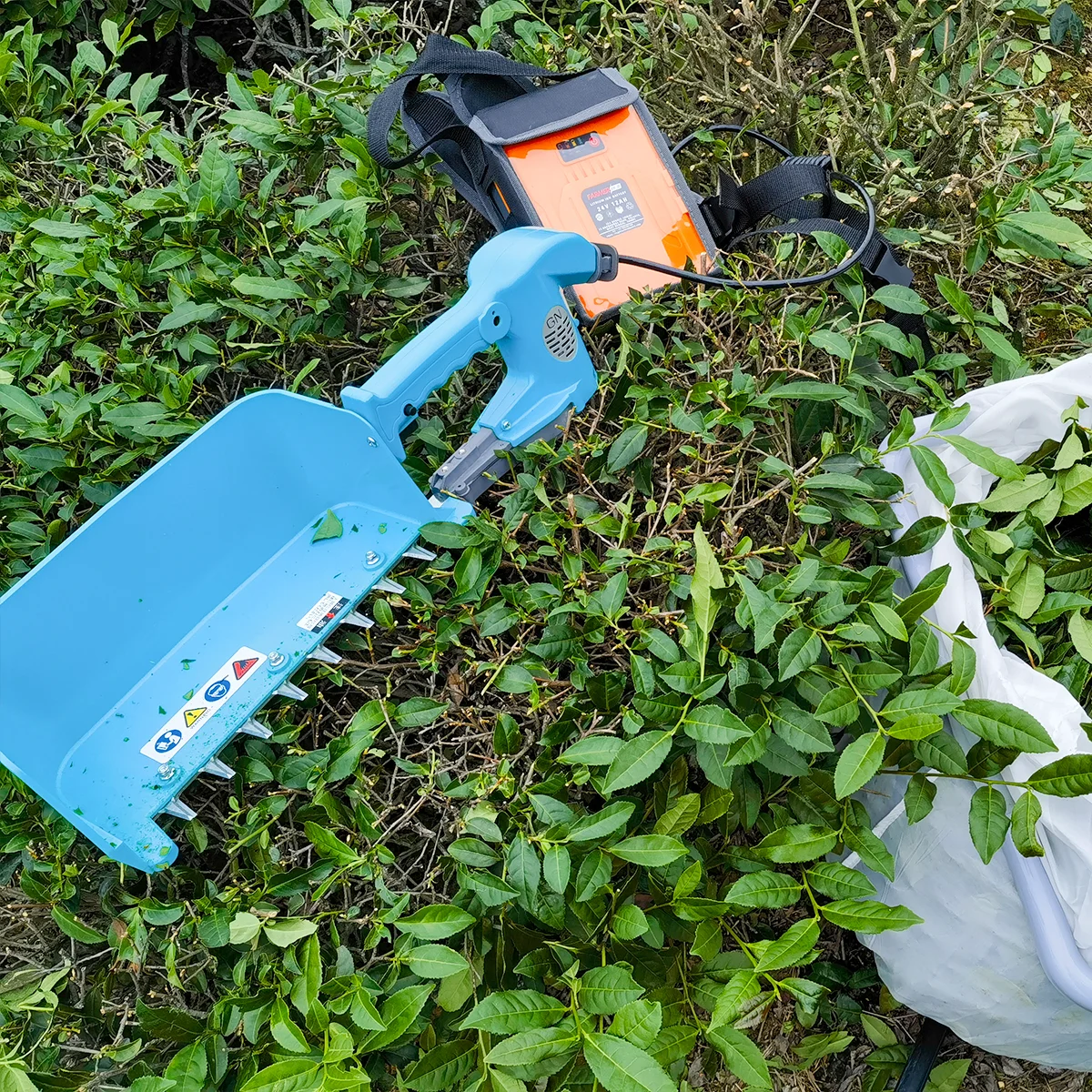
Discover the journey of our electric backpack tea harvester from the manufacturing line to your plantation. Learn essential usage tips, safety precautions, and maintenance advice to maximize your harvest efficiency.
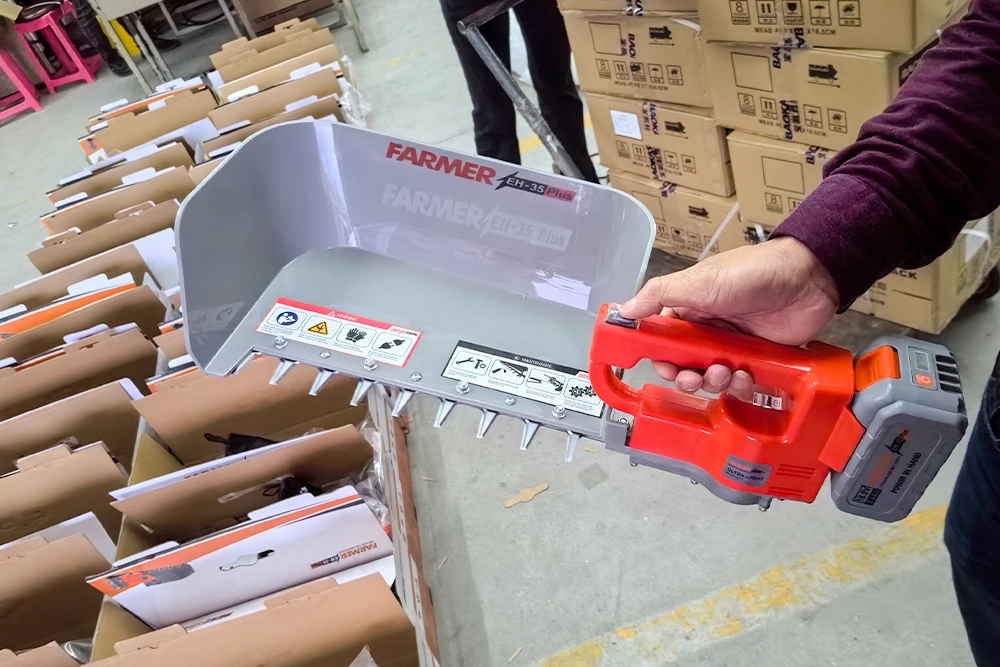
Facing labor shortages for the spring tea harvest? Discover Deli Assistant's battery-operated tea harvesting machines. Lightweight, efficient, and gentle on premium tea buds. Boost your yield today.
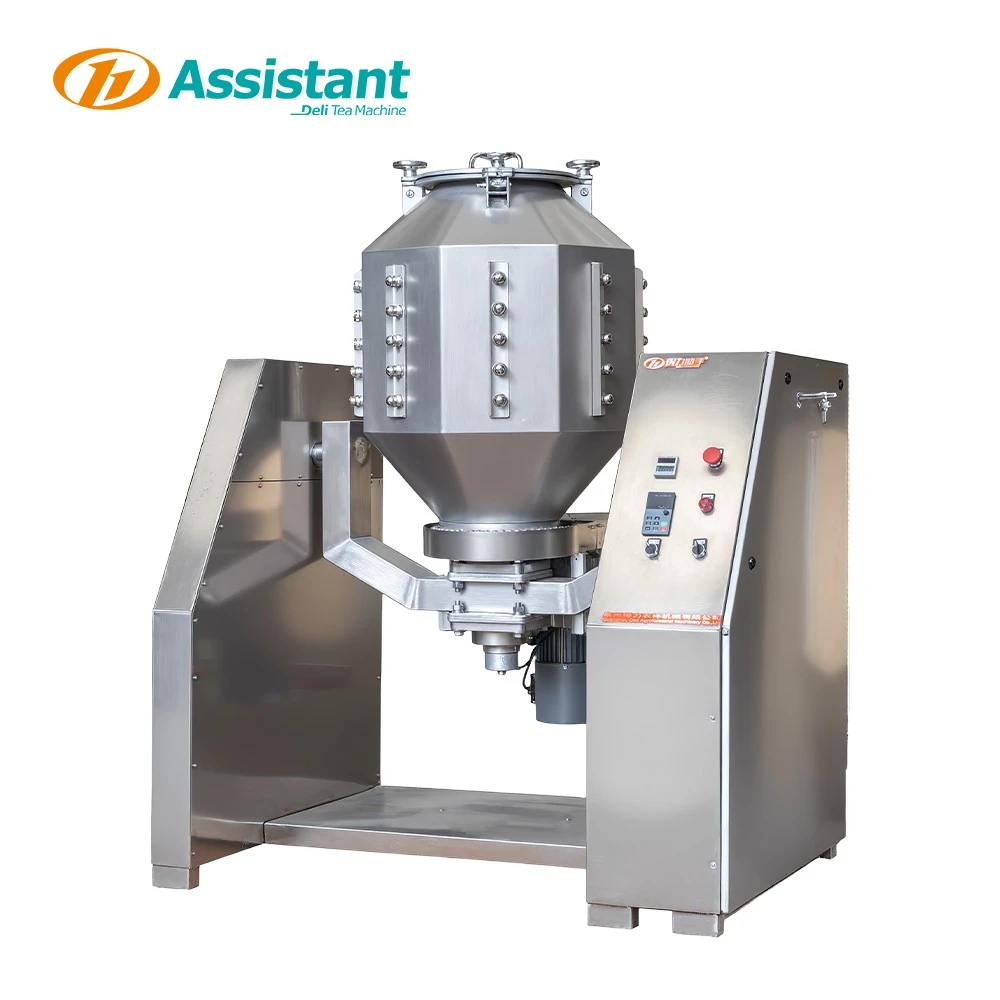
Need higher output than stone mills? The DL-6QM-40 Stainless Steel Ball Mill delivers industrial capacity (15-40kg/h) at 500-800 mesh ultra-fine quality. Learn how to pair it with a Circular Vibration Sieve for the perfect matcha production line.
Yes, matcha is made from green tea leaves.
Matcha undergoes a rigorous and unique production process, and its raw materials and processing flow distinguish it from regular green tea and green tea powder:
Matcha is typically made from specific varieties of green tea plants (such as Yabukita and Uji varieties in Japan). Approximately 20-30 days before harvesting, tea farmers cover the tea plants with shade nets. This process reduces the production of tea polyphenols while increasing the content of chlorophyll and amino acids (especially theanine), giving matcha its bright green color and fresh, sweet taste.
It should be noted that matcha is not simply ground green tea powder. Its core characteristics lie in the special cultivation of raw materials and specific processing techniques (especially steam fixation and fine grinding).