Matcha production primarily relies on two core processes: stone-milled matcha and ball-milled matcha. The stone-milled process is further divided into granite stone milling and black gold stone milling, while the ball-milled process uses specialized ball mills. Each process, paired with corresponding equipment, differs significantly in terms of matcha quality, production efficiency, and applicable scenarios.
1. Core Matcha Production Processes
1.1 Stone-Milled Matcha
This traditional process uses natural stone mills to grind tea leaves, with two variants based on stone material:
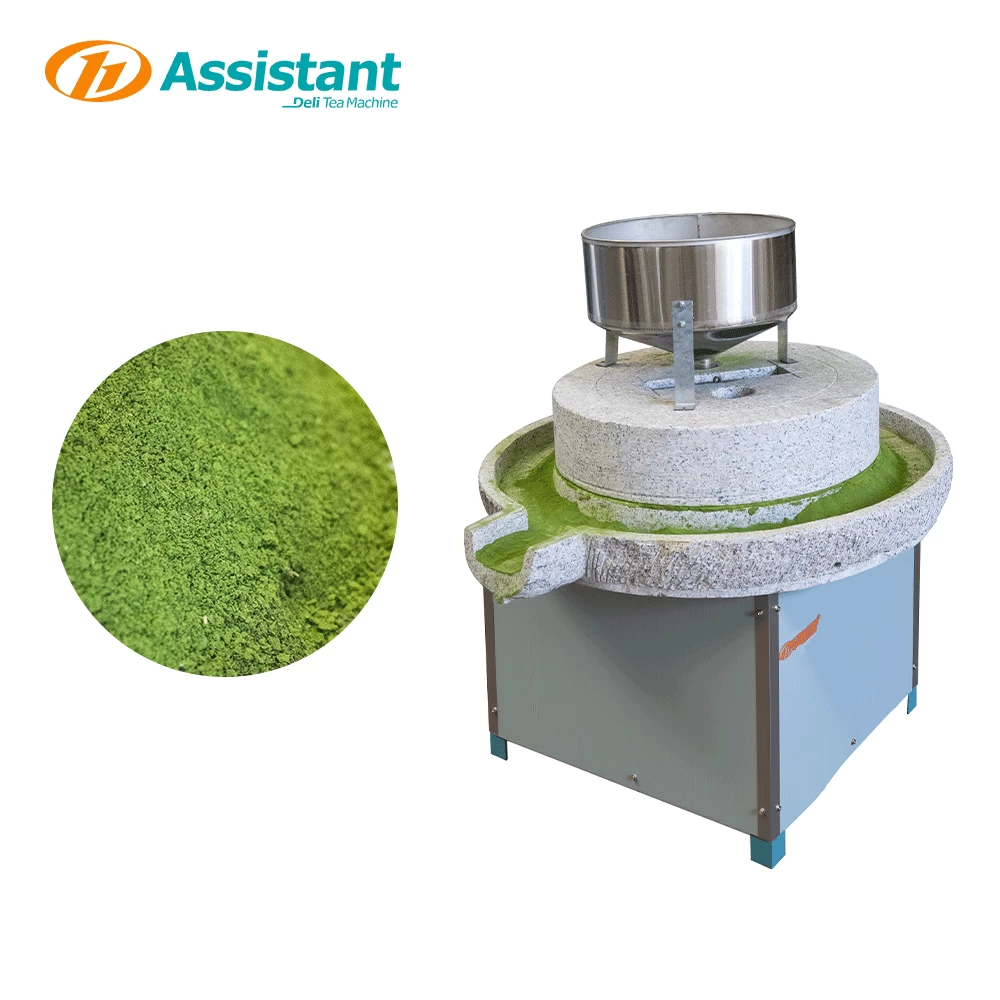
- Granite Stone Milling: Operates on the principle of high-speed rolling and crushing. It applies stable pressure to break tea leaves into fine powder, maintaining relatively complete chlorophyll content.
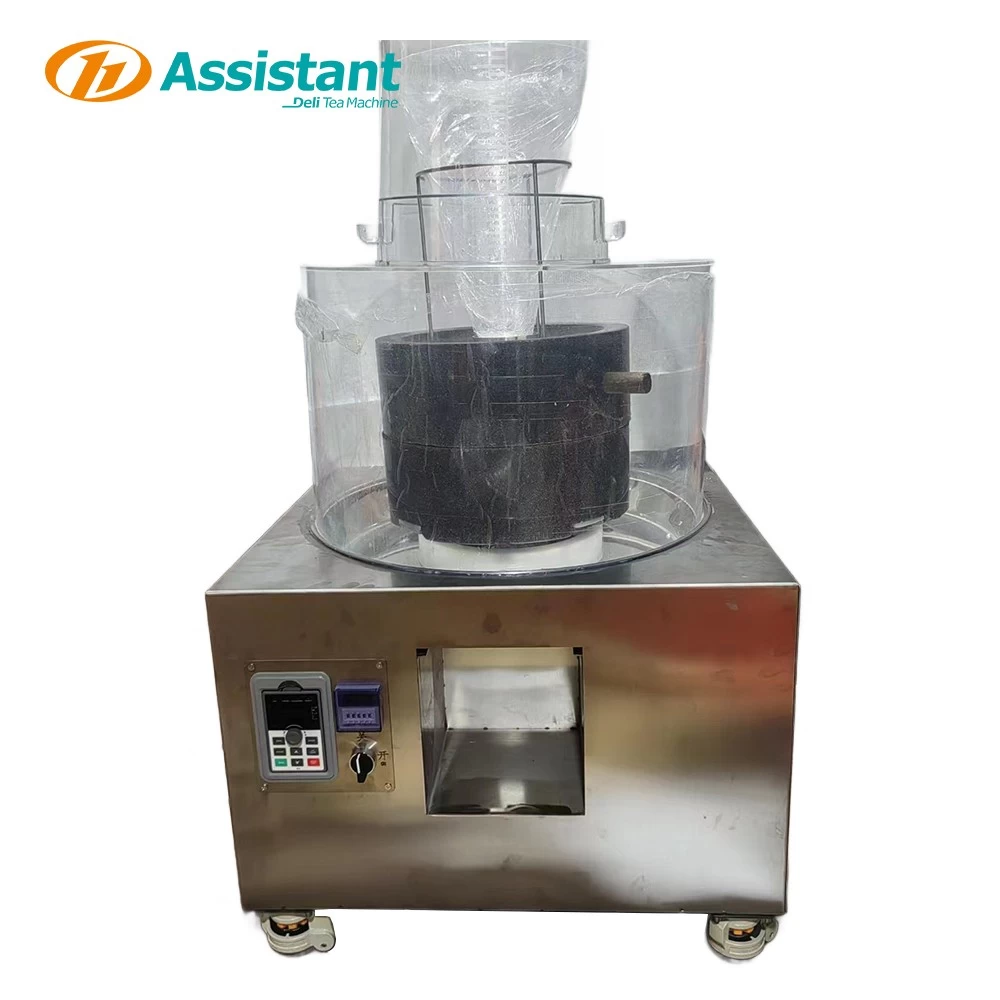
- Black Gold Stone Milling: Adopts low-speed shearing and tearing. The dense, smooth black gold stone minimizes heat generation during grinding, which helps retain the original flavor of tea leaves to the greatest extent.
1.2 Ball-Milled Matcha
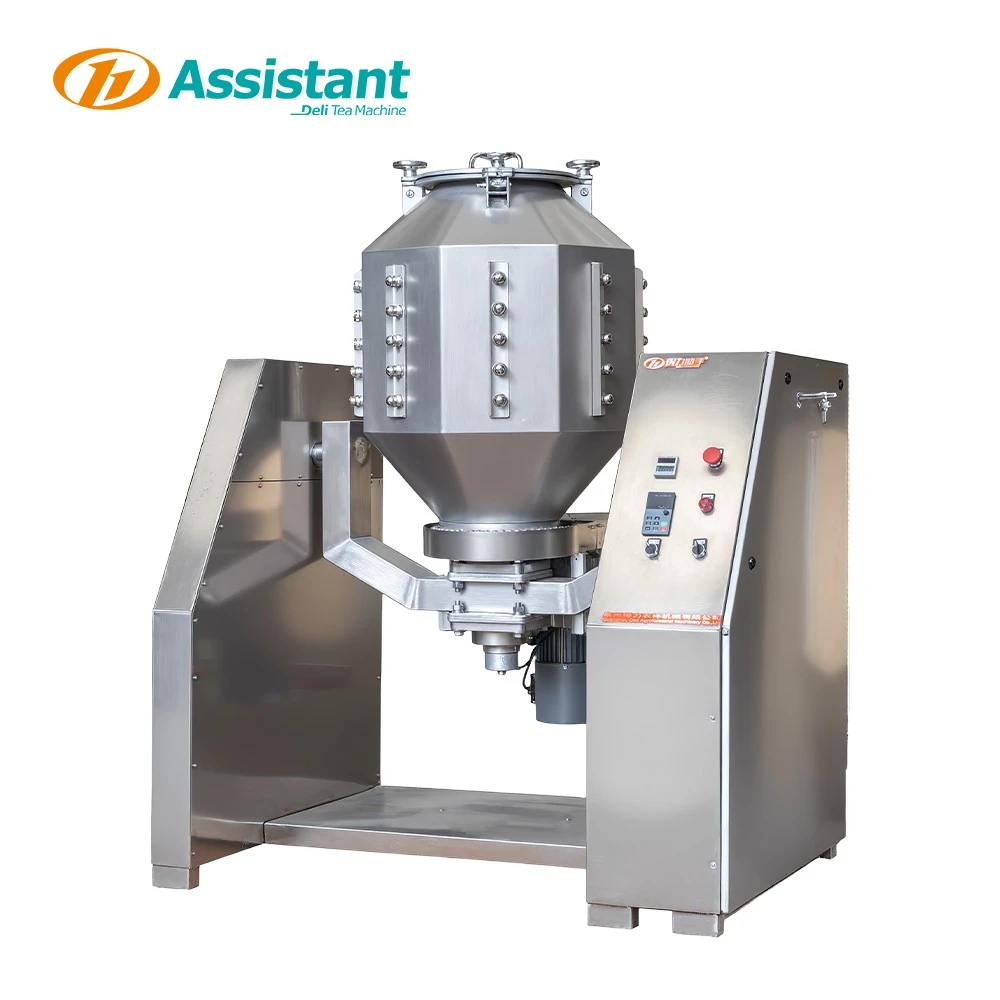
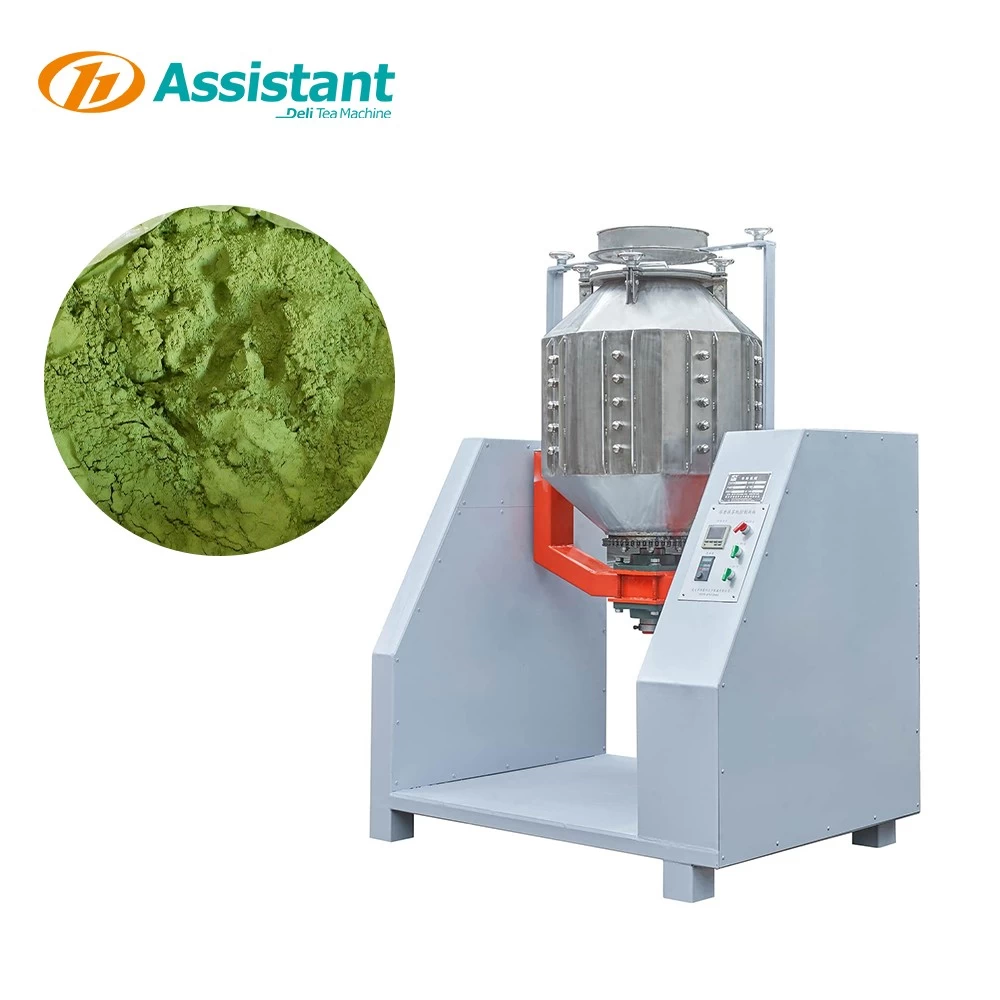
As a modern industrial process, it uses ultra-hard alumina balls inside a sealed drum. When the drum rotates, the balls impact and squeeze tea leaves, crushing them into ultra-fine powder. This method focuses on production scale and product consistency, making it suitable for mass-produced matcha.
2. Multi-Dimensional Comparison of Three Matcha Machines
| Comparison Item |
Granite Stone Mill |
Black Gold Stone Mill |
Ball Mill |
| Equipment Material |
Granite |
Black Gold Stone |
Ultra-hard Alumina Balls |
| Processing Principle |
High-speed rolling & crushing |
Low-speed shearing & tearing |
Impact & extrusion crushing |
| Matcha Size |
≈50μm |
≈15μm |
<15μm |
| Flavor |
Complete chlorophyll retention, moderate taste |
Complete chlorophyll retention, best taste |
Partial chlorophyll damage, aroma slightly lower than stone-milled |
| Color |
Yellow-green |
Bright green (excellent) |
Dark green (above-average) |
| Microbial Level |
Open environment, higher microbes |
Open environment, higher microbes |
Sealed environment, fewer microbes |
| Capacity |
~10 kg/h |
~50 g/h |
~1 kg/h |
| Temperature Control |
Slightly high heat, matcha turns slightly yellow-green |
Low heat generation |
High heat, requires use in ~25℃ rooms |
| Production Cost |
~$0.02/kg |
~$1.5/kg |
~$0.15/kg |
| Application Scenarios |
Medium-end matcha (large output) |
Premium matcha (small-batch, high-quality) |
Industrial-grade matcha (mass production, e.g., ice cream, beverages) |
3. Key Parameters of Each Machine
3.1 Granite Stone Mill (Model: DL-6CYM-70)
- Dimension: 115×112×133cm
- Voltage: 220V / 380V
- Power: 2.2 KW
- Plate Diameter: 70cm
- Plate Thickness: 26cm × 2
- Plate Material: Granite
- Matcha Size: ≈50μm
- Capacity: 10 kg/h
- Machine Weight: 400 kgs
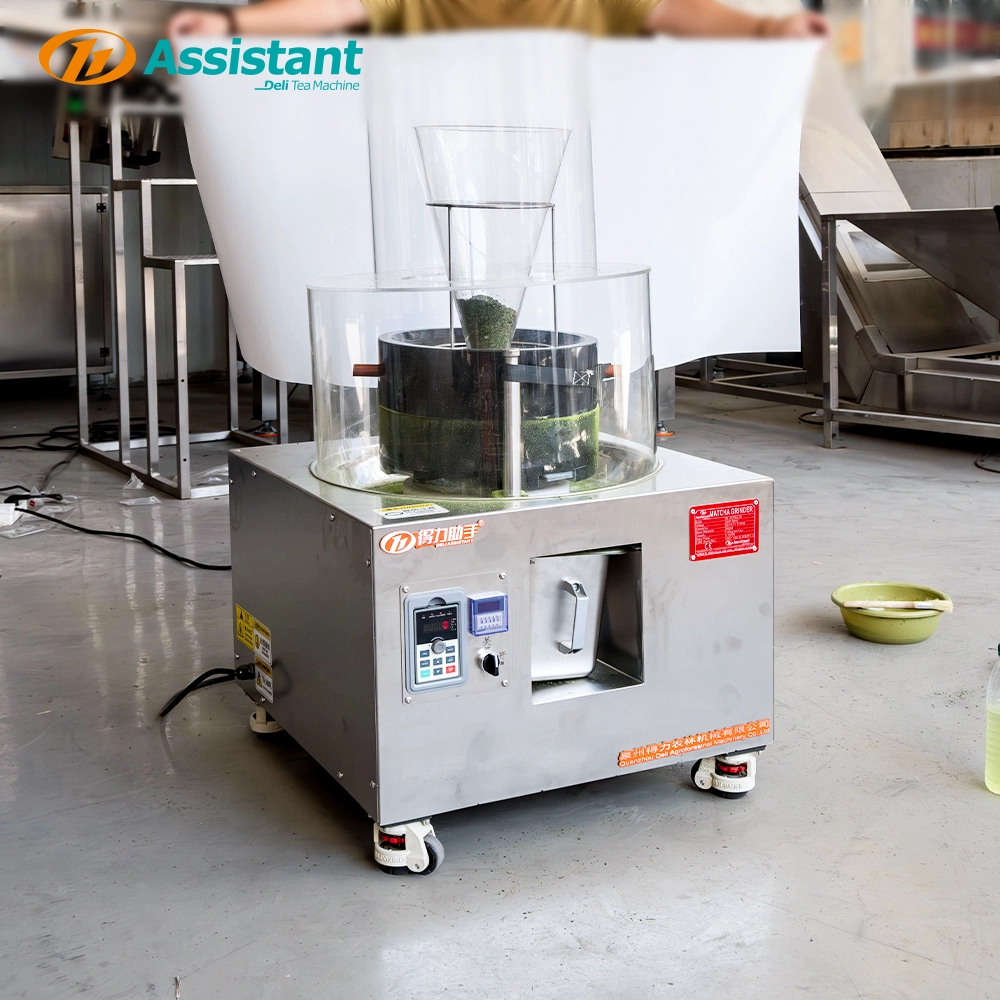
3.2 Black Gold Stone Mill (Model: DL-6CYMJ-32)
- Dimension: 65×68×130 cm
- Stone Plate Diameter: 32 cm
- Stone Plate Thickness: 12 cm
- Stone Plate Quantity: 2 pcs
- Machine Weight: 110 kgs
- Voltage: 220V 50/60Hz
- Power: 0.55 KW
- Capacity: ≈50g/hour
- Stone Plate Speed: 0-38 rpm
- Tea Size: ≤15μm
3.3 Matcha Ball Mill (Model: DL-6CQM-40)
- Dimension: 1500×1190×1760mm
- Voltage: 380V 50/60Hz
- Power: 1.75 KW
- Drum Diameter: Φ65
- Drum Speed: 0-38 rpm
- Milling Ball Size: φ20
- Milling Ball Quantity: 90-100
- Working Temperature: 5-15 ℃
- Capacity: 25 kgs/batch; ≈1-2 kg/hour
- Milling Time: 10-20 hours
- Matcha Size: ≤15μm
- Machine Weight: 360 kgs
4. Equipment Selection Recommendations
- Premium Small-Batch Production: Choose the Black Gold Stone Mill. It offers the best matcha flavor and bright green color, ideal for high-end matcha products, despite its low capacity and high cost.
- Medium-Scale Cost-Effective Production: The Granite Stone Mill is suitable. It balances output and quality, meeting the needs of mid-range matcha brands with large production demands.
- Industrial Mass Production: The Ball Mill is the optimal choice. Its sealed structure ensures low microbial levels, and the ultra-fine matcha powder fits industrial applications like ice cream and beverages, with advantages in efficiency and consistency.