





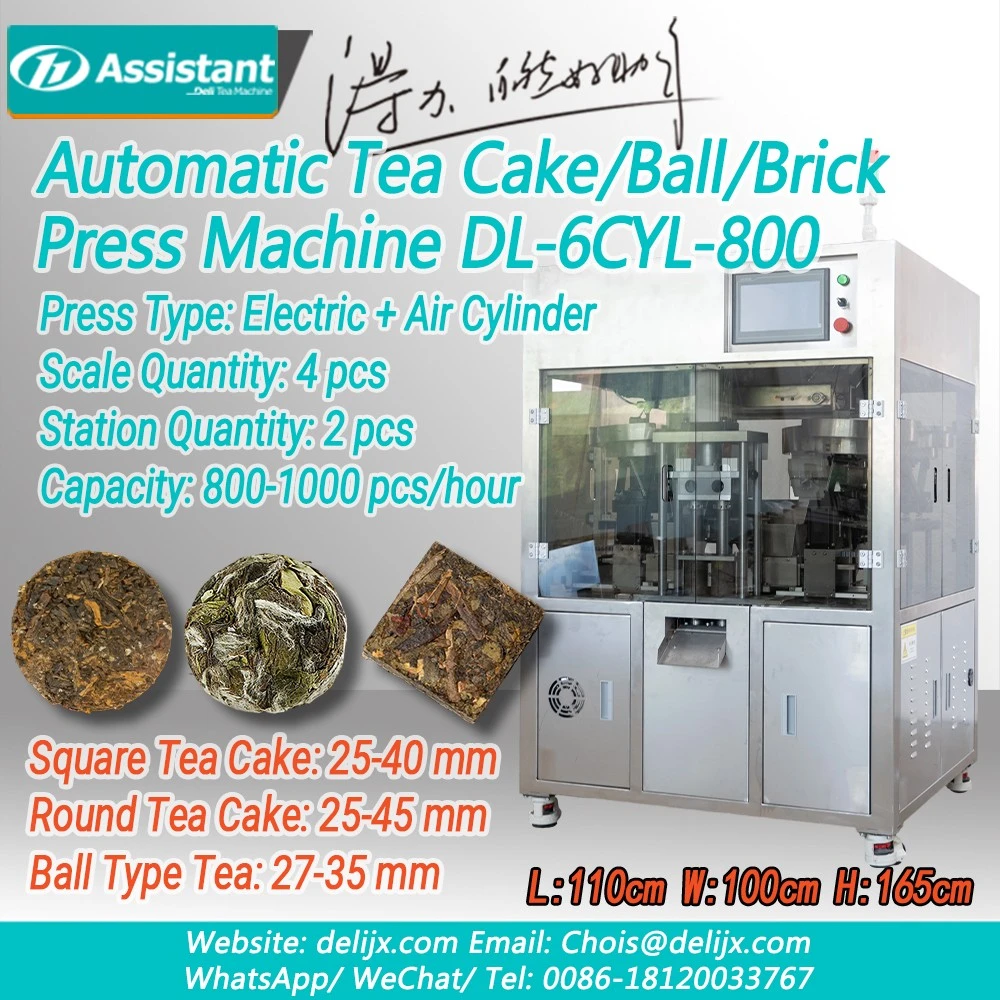
The DL-6CYL-800 automatic tea cake pressing machine is applicable for pressing ball type tea, round tea cakes and square tea cakes. Its production capacity is 800-1000 pieces per hour. The sizes of tea cakes that this machine can produce are as follows: square tea cakes (25-40 mm), round tea cakes (25-45 mm), and ball type tea (27-35 mm).
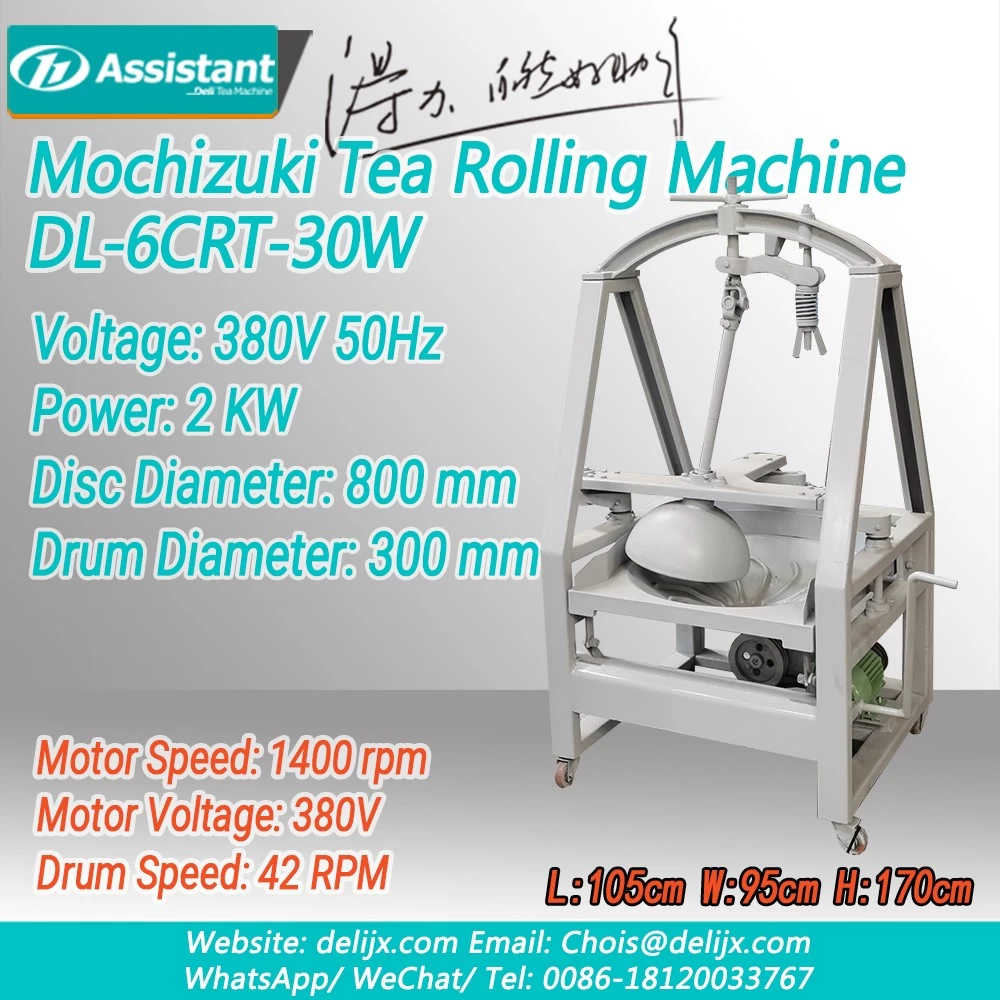
Oolong Tea Rolling Machine specializes in tea rolling and shaping. With precise pressure control, it releases tea juice, enhances aroma, ensures stable quality, and suits green tea, oolong tea, etc.—a top choice for tea enterprises.
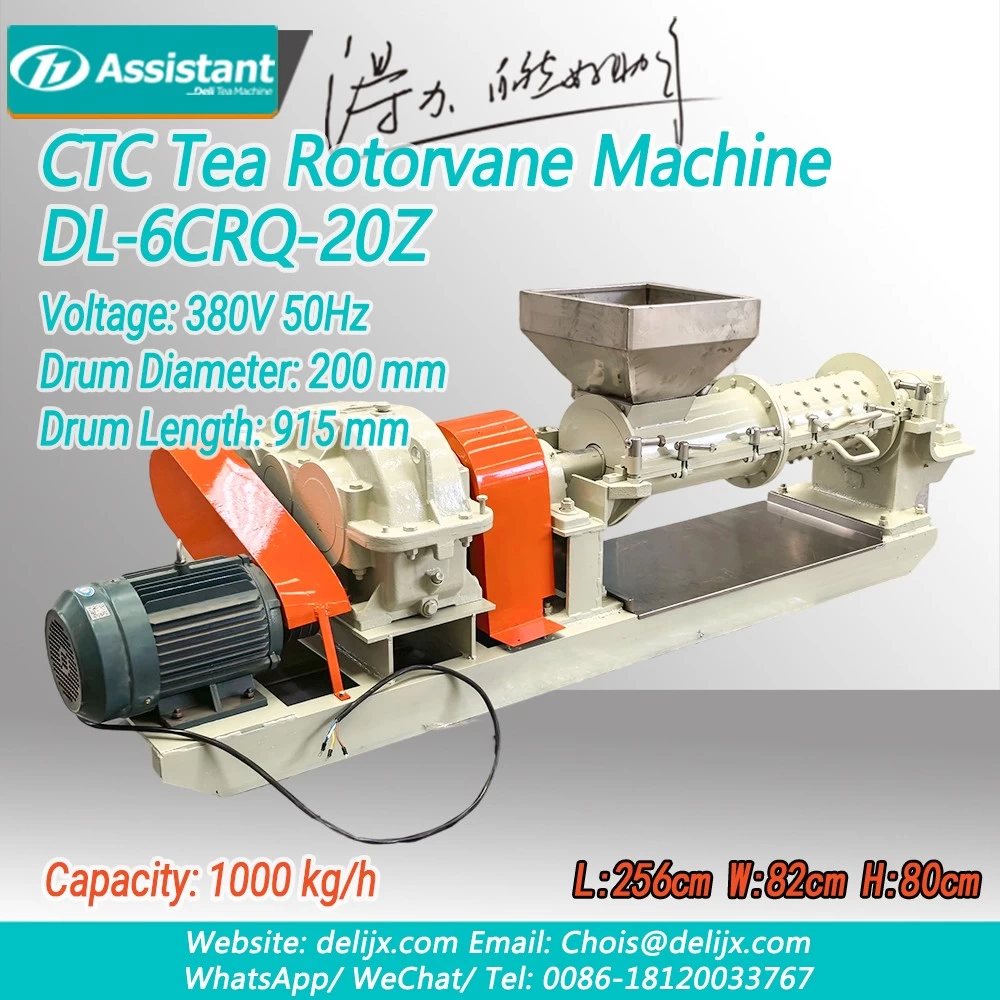
DL-CRQ-20Z CTC black tea HRS Gyrovane rotorvane machine mainly used for processing CTC black tea.
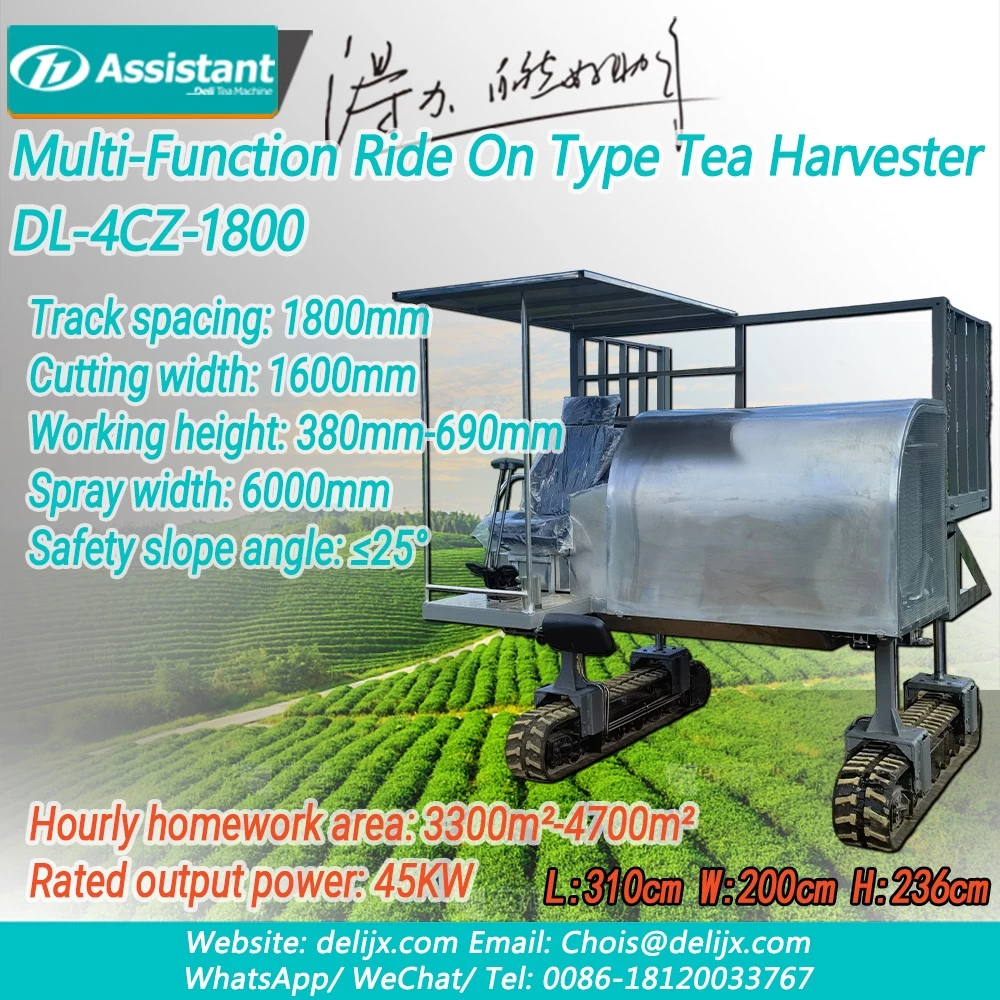
The Multi-Function Ride On Type Tea Harvester is a high-performance tool for commercial tea gardens. Featuring ride-on operation, adjustable picking parameters, and integrated collection/sorting, it replaces manual picking to save labor significantly. With 5-10x higher efficiency (0.3-0.8 ha/h) and precision plucking that preserves tea quality, it’s ideal for modern large-scale tea production.
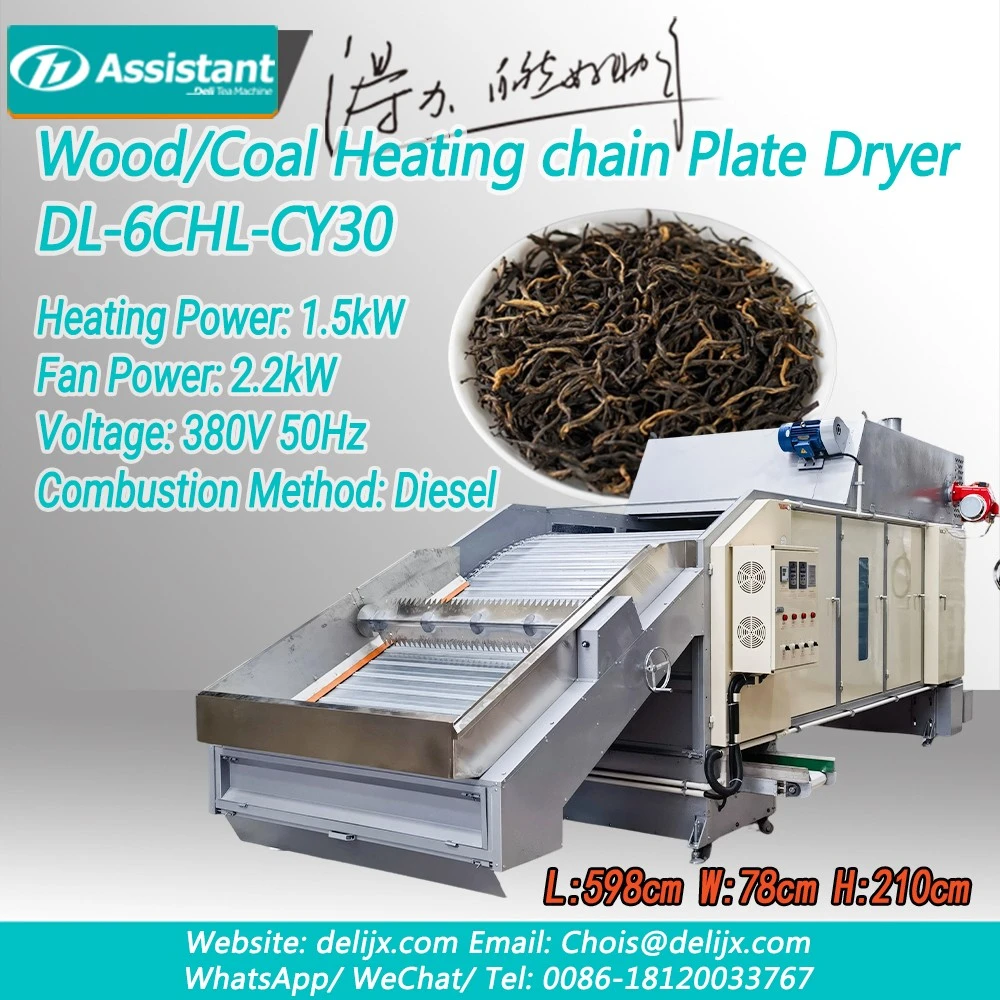
DL-6CHL-CY30 belt type tea dryer use diesel heating, also can use gas heating, drying area 20m2, capacity 105kg per hour, click the photo to learn more details about our drying machine.
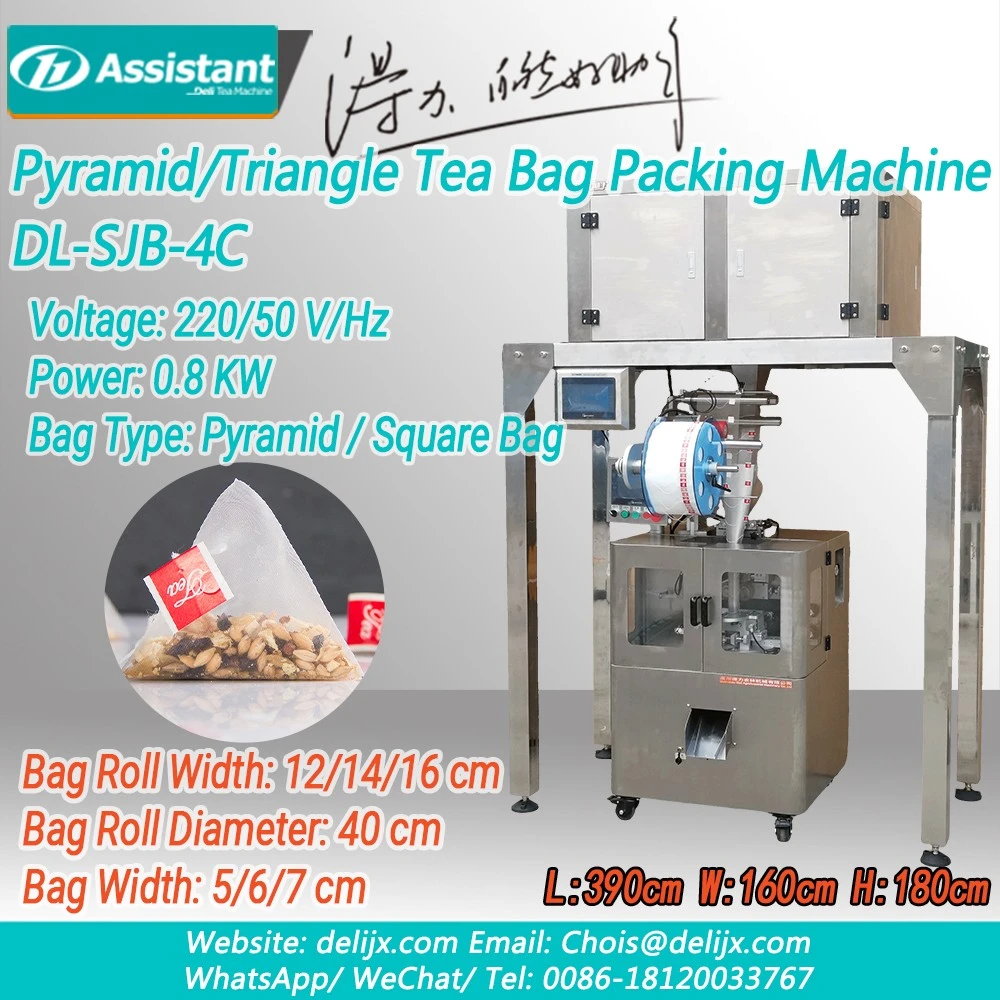
Pyramid/Triangle Tea Bag Filling Packaging Machine is widely applicable in tea processing plants, food and beverage companies, health product manufacturers, and OEM/ODM tea brands. It is suitable for packaging various teas, including loose-leaf tea, herbal tea, scented tea, functional tea, and instant tea, making it an essential equipment for upgrading the tea packaging process in both domestic and international markets.
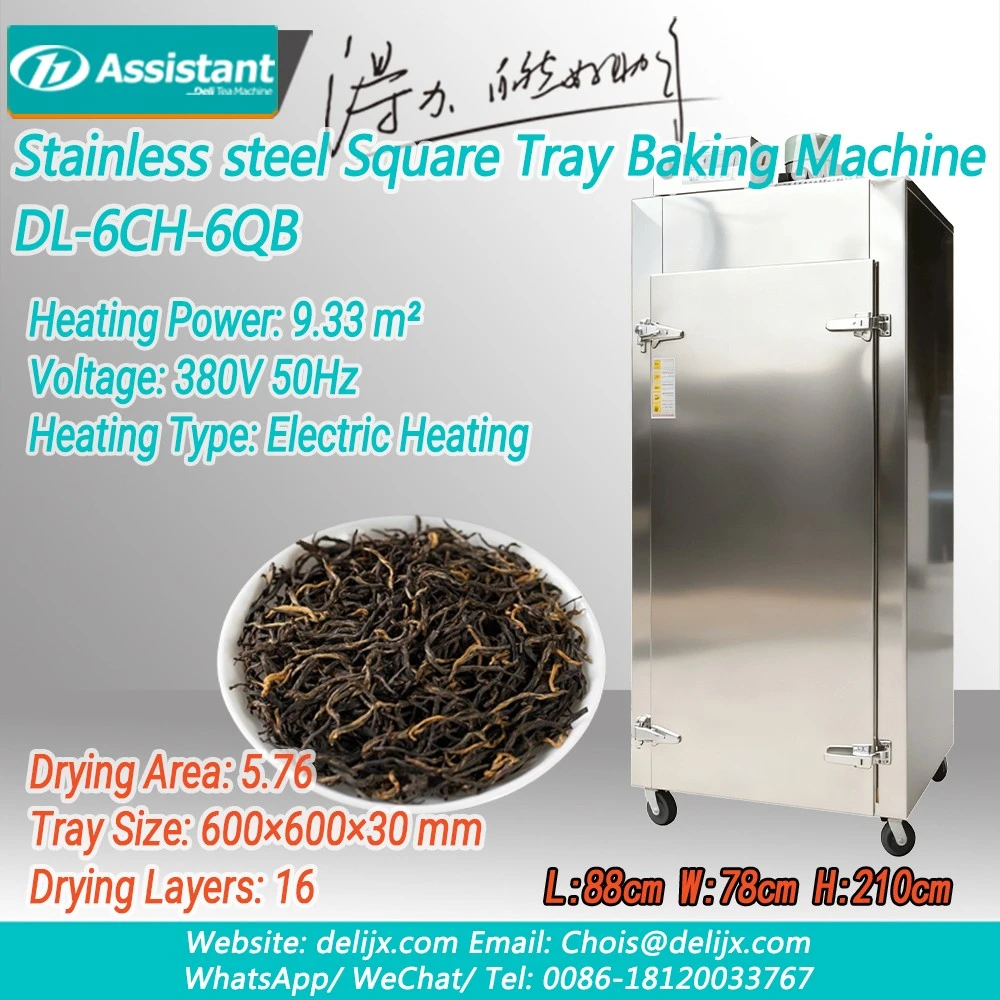
Square Tray DL-6CH-6QB is a square tray baking cabinet-style Tea leaf baking machine, featuring stable temperature control, uniform heating, ideal for batch tea processing with efficient performance.
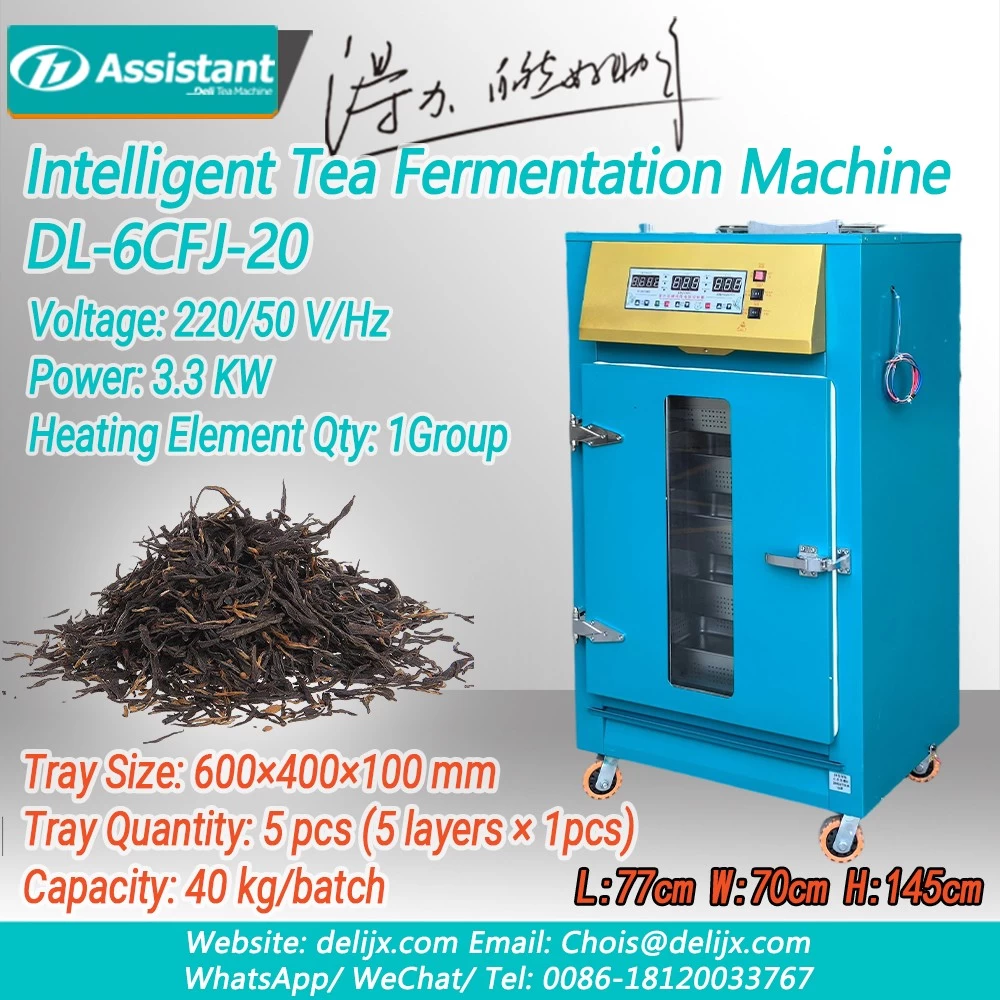
DL-6CFJ-20 used for black tea and dark tea processing, through the intelligent control of temperature and humidity, let tea oxidation fermentation to the best quality, machine has 5pcs stainless steel tray, capacity 60 kg per batch.
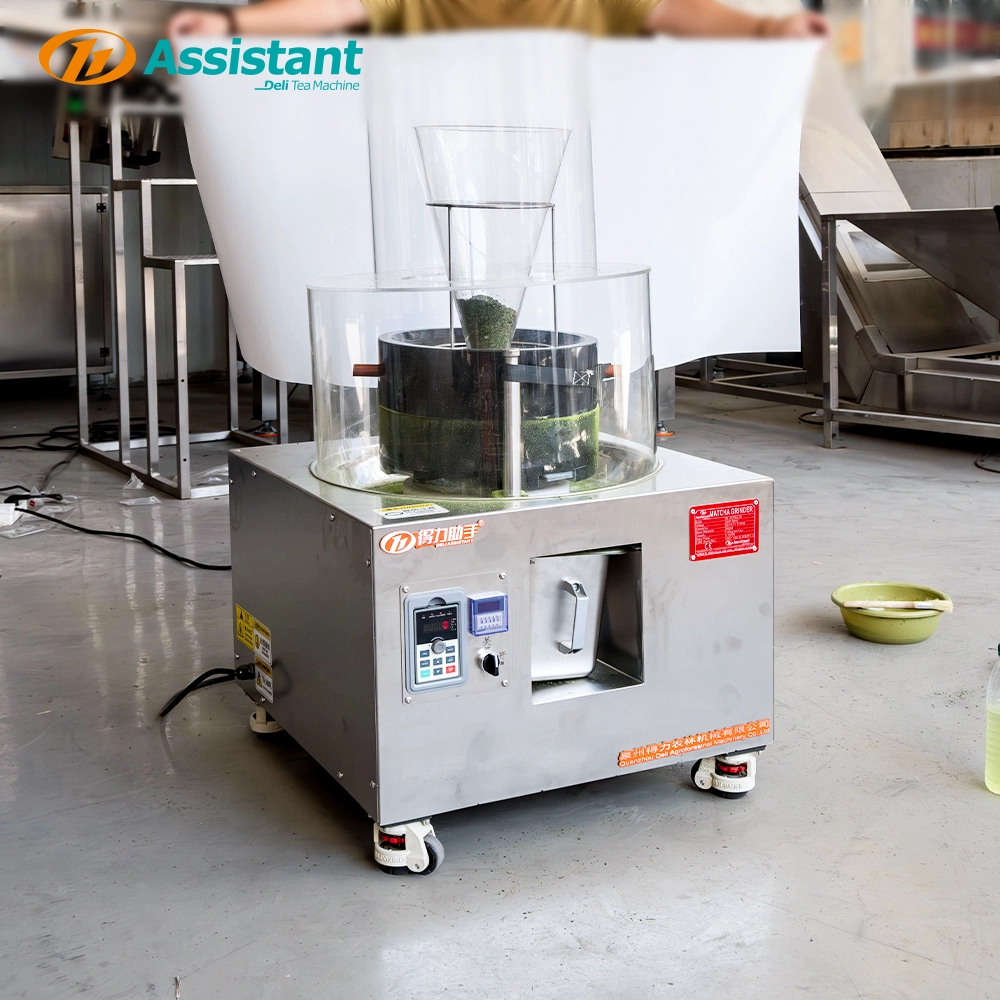
Capitalize on the global matcha boom with our new DL-6CYMJ-32 Black Gold Stone Grinder. Featuring a traditional 35cm stone mill and precise low-speed rotation (0-38 rpm), this machine produces ultra-fine ($\le$ 0.15$\mu$m) matcha while preserving vibrant color and rich nutrients. Perfect for high-end tea factories.
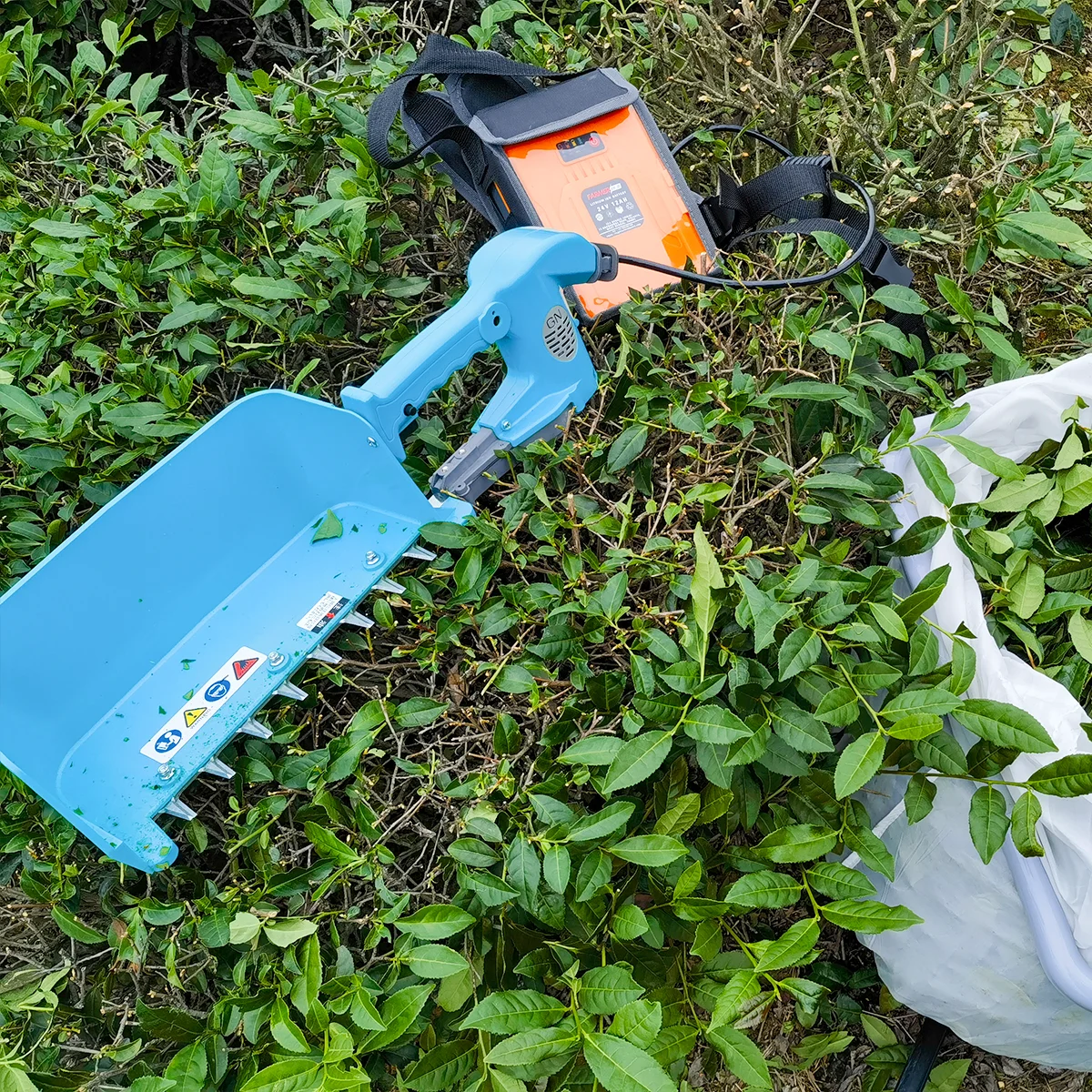
Discover the journey of our electric backpack tea harvester from the manufacturing line to your plantation. Learn essential usage tips, safety precautions, and maintenance advice to maximize your harvest efficiency.
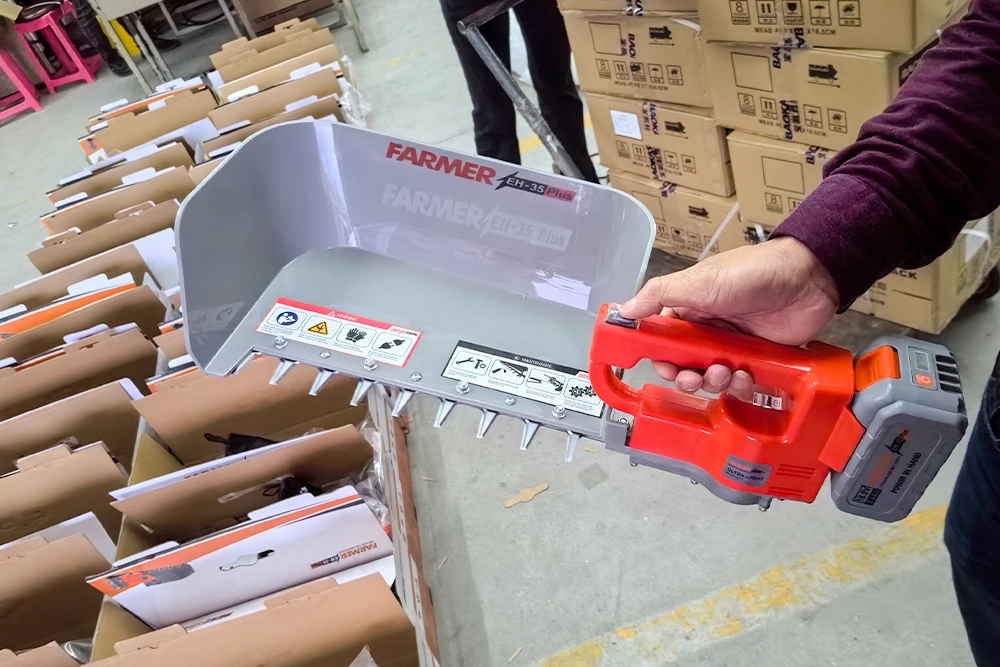
Facing labor shortages for the spring tea harvest? Discover Deli Assistant's battery-operated tea harvesting machines. Lightweight, efficient, and gentle on premium tea buds. Boost your yield today.
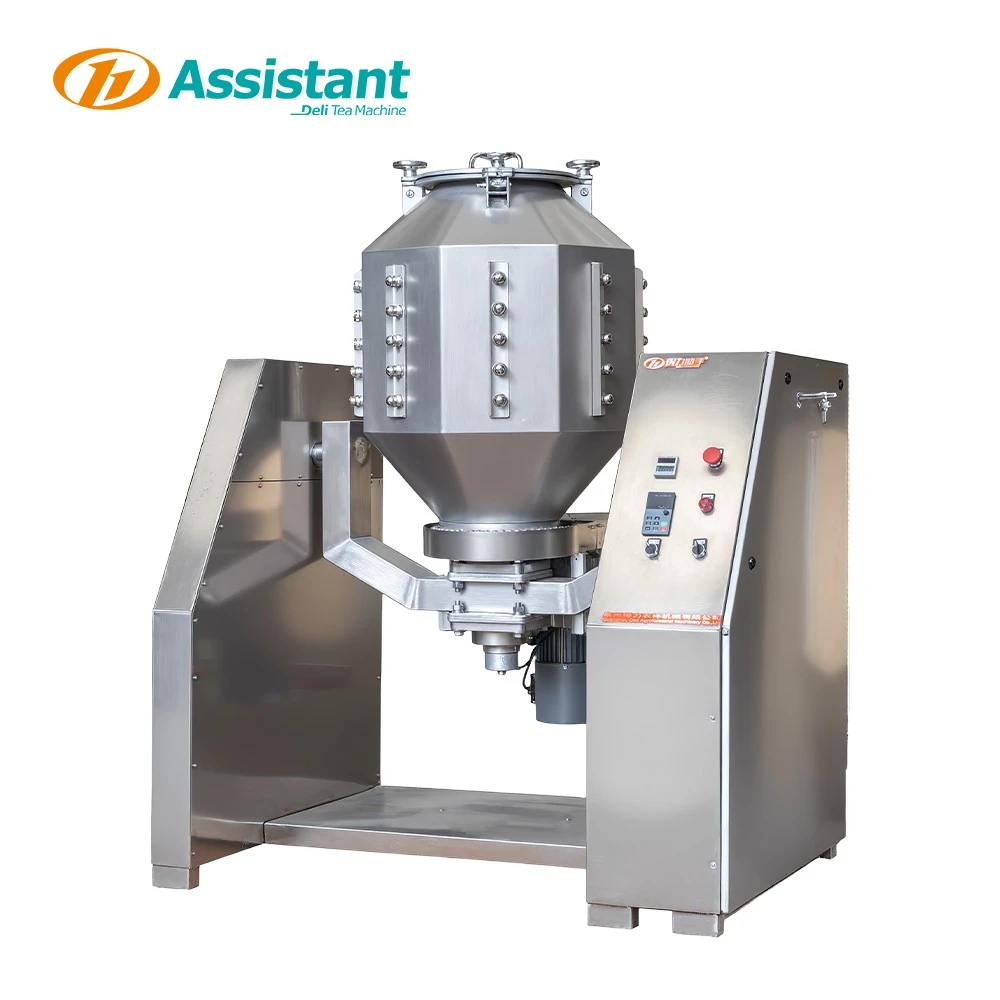
Need higher output than stone mills? The DL-6QM-40 Stainless Steel Ball Mill delivers industrial capacity (15-40kg/h) at 500-800 mesh ultra-fine quality. Learn how to pair it with a Circular Vibration Sieve for the perfect matcha production line.
A tea pressing machine is a specialized device used in tea processing to compress loose tea leaves into solid, compact forms—commonly known as tea cakes, bricks, or tuos. These machines apply controlled pressure and sometimes heat to create uniformly shaped tea products that are easier to store, transport, and age.
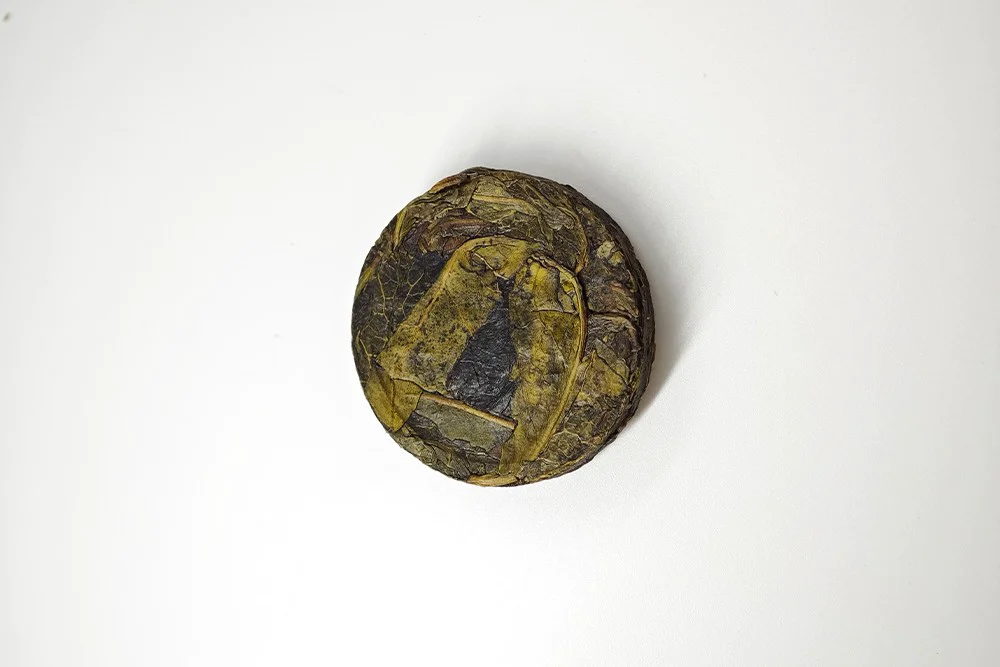
Not all teas benefit from compression. The process is ideal for:
Pu-erh Tea (Both Raw & Ripe): The most famous pressed tea. Compression slows oxidation and promotes microbial activity for superior aging.
Heicha (Dark Tea): Including Hunan fu brick tea and Guangxi liu bao tea.
Aged Oolong: Some traditional Taiwan oolongs are pressed for aging.
White Tea: Occasionally pressed into cakes for aging potential.
Black Tea: Less common, but some regions produce compressed black tea bricks.
Teas to avoid: Green teas and most fresh oolongs, as compression damages their delicate flavors and aromas.
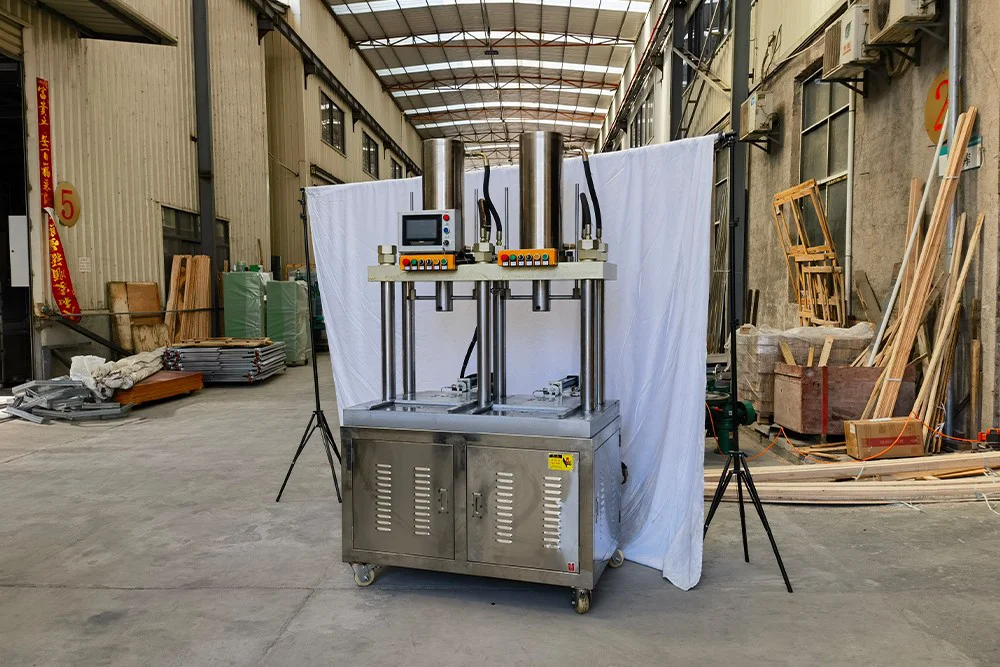
For Producers:
Space Efficiency: Compressed tea requires 70-80% less storage space
Transport Safety: Reduced breakage during shipping
Aging Enhancement: Creates ideal micro-environments for microbial development
Consistency: Produces uniformly weighted and shaped products
Market Appeal: Traditional forms attract collectors and enthusiasts
For Consumers & Collectors:
Long-term Storage: Properly pressed cakes can age for decades
Flavor Evolution: Develops complex profiles unavailable in loose tea
Portion Control: Easy to break off consistent amounts for brewing
Historical Tradition: Connects to centuries-old tea culture practices
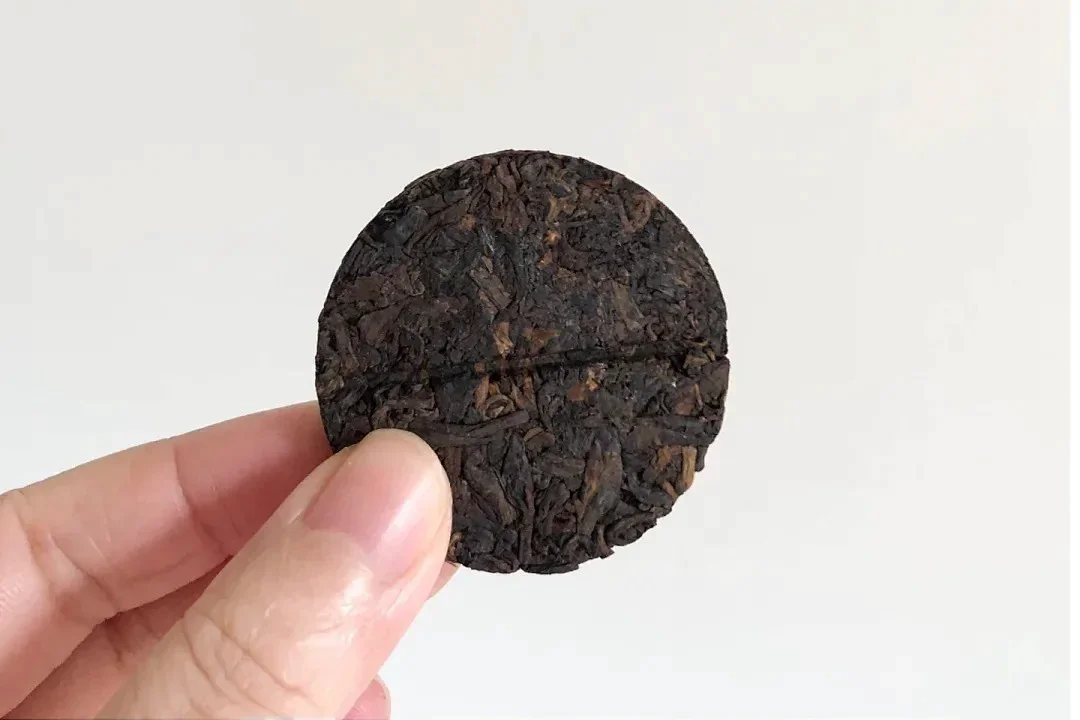
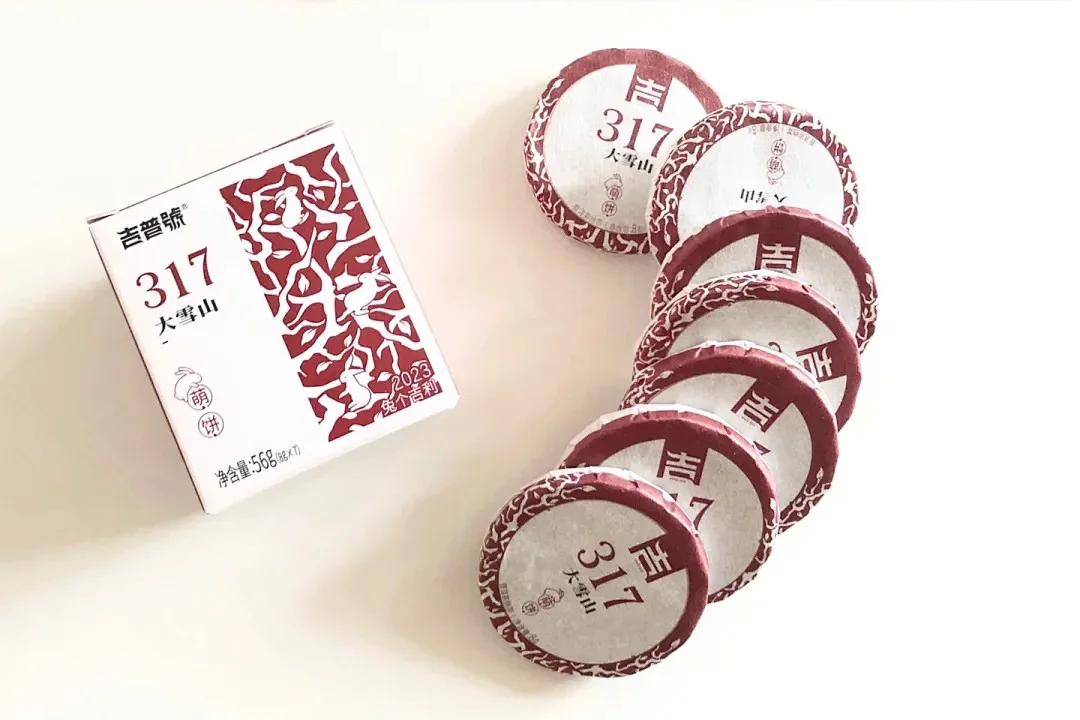
Manual Presses: Traditional wooden or stone molds with lever systems. Ideal for small batches and artisanal producers.
Hydraulic Presses: Modern machines offering precise pressure control (typically 5-50 tons). Most common for commercial production.
Steam-Assisted Presses: Combine steam softening with pressure for smoother compaction without damaging leaves.
Automatic Pressing Lines: Integrated systems that weigh, steam, press, and sometimes wrap teas in continuous operations.
Production Scale: Small studios need 5-10 ton presses; factories require 30+ ton automated systems
Tea Type: Delicate teas need gentler pressure than robust pu-erh
Shape Variety: Some machines offer interchangeable molds for cakes, bricks, or nested bowls
Material Contact: Food-grade stainless steel prevents contamination
Pressure Control: Adjustable settings accommodate different tea densities
Weighing: Precise portions (commonly 100g, 357g, or 400g)
Steaming: Brief steam exposure makes leaves pliable (5-20 seconds)
Bagging: Placing leaves in cotton bags for shaping
Pressing: Applying controlled pressure (30 seconds to 5 minutes)
Cooling & Drying: Removing moisture before packaging
Wrapping: Traditional paper labeling and storage
Digital Pressure Controls: For repeatable precision
Quick-Change Mold Systems: Switching shapes in minutes
Energy-Efficient Designs: Reducing power consumption by up to 40%
Hygienic Improvements: Easy-clean surfaces and reduced crevices
While commercial machines cost $1,000-$20,000+, hobbyists can create simple presses using:
Car jacks for pressure
Custom wooden molds
Steaming baskets
Note: Achieving professional results requires experience and proper technique.
Tea pressing machines bridge ancient tradition and modern technology, enabling the transformation of ephemeral leaves into durable, age-worthy treasures. Whether you're a producer streamlining operations or a collector preserving tea legacy, understanding these machines reveals the fascinating intersection of culture, craftsmanship, and engineering in every compressed cake.