I. Why Matcha Is "High-Maintenance"? 3 Core Vulnerabilities
Matcha’s fragility stems from three inherent traits, as explained by Matcha Source and Japanese Tea Ceremony Association :
- Oxidation-Prone: Its fine powder has a large surface area, making it react quickly with oxygen. Oxidation fades color and turns umami into bitterness .
- Moisture-Sensitive: Even a tiny amount of moisture causes clumping, mold growth, and flavor degradation. Humidity above 60% is fatal to matcha .
- Light-Sensitive: UV rays break down chlorophyll and nutrients, turning vibrant green into dull olive and destroying fresh aromas .
II. Scene-by-Scene Storage Solutions: Refrigerate vs. Room Temperature
1. Short-Term Storage (1–2 Months): Sealed + Refrigerator
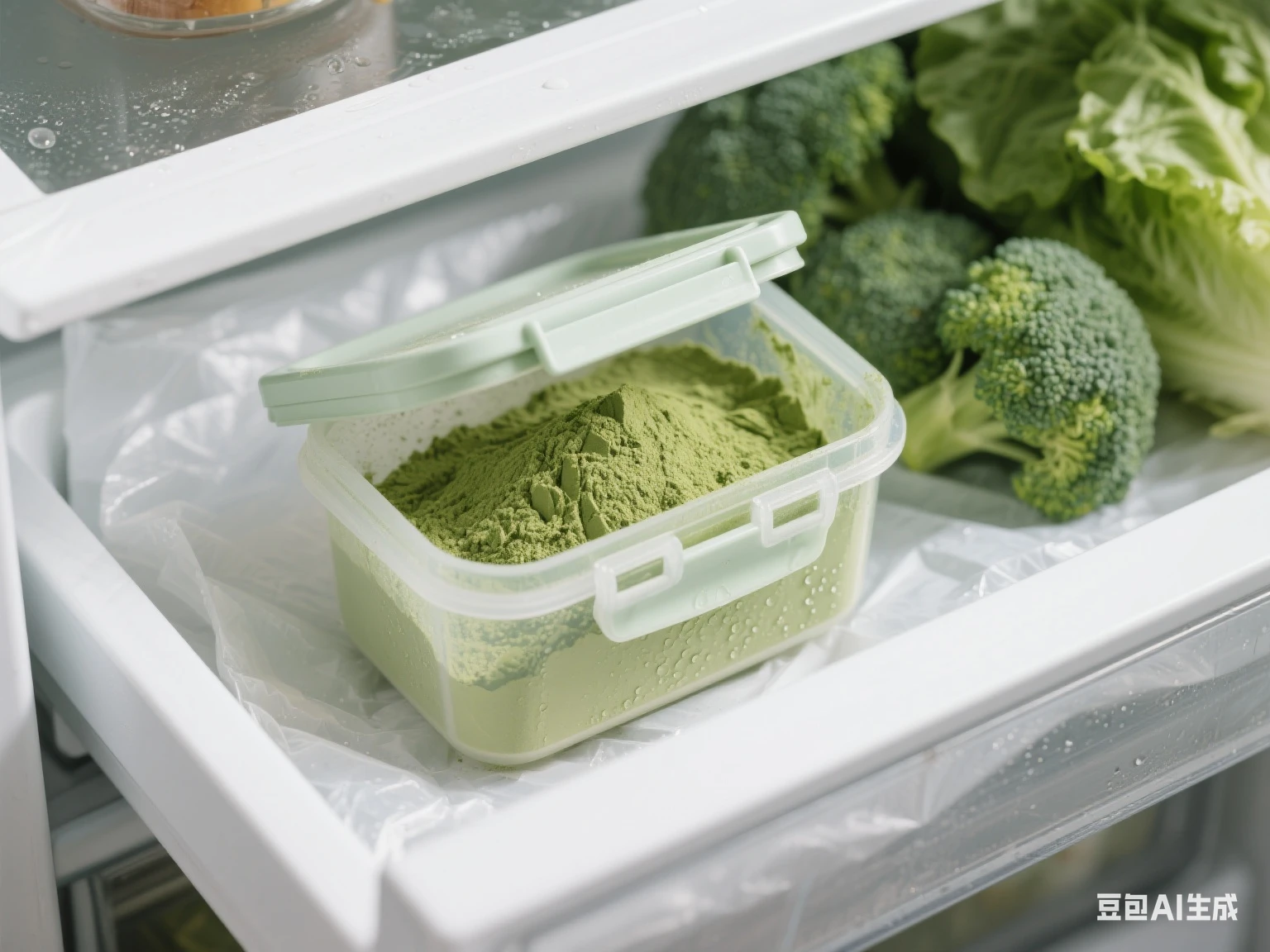
For matcha you plan to use regularly:
- Step 1: Transfer to an airtight, opaque container (ceramic or food-grade metal works best) . Avoid plastic containers that retain odors.
- Step 2: Press out excess air before sealing to minimize oxidation .
- Step 3: Store in the refrigerator’s crisper drawer (stable temperature, low humidity) . Keep away from strong-smelling foods (e.g., garlic, cheese) to prevent odor absorption .
Pro Tip: Let the container sit at room temperature for 10 minutes before opening—this prevents condensation from forming on the powder .
2. Long-Term Storage (3–6 Months): Vacuum-Sealed + Freezer
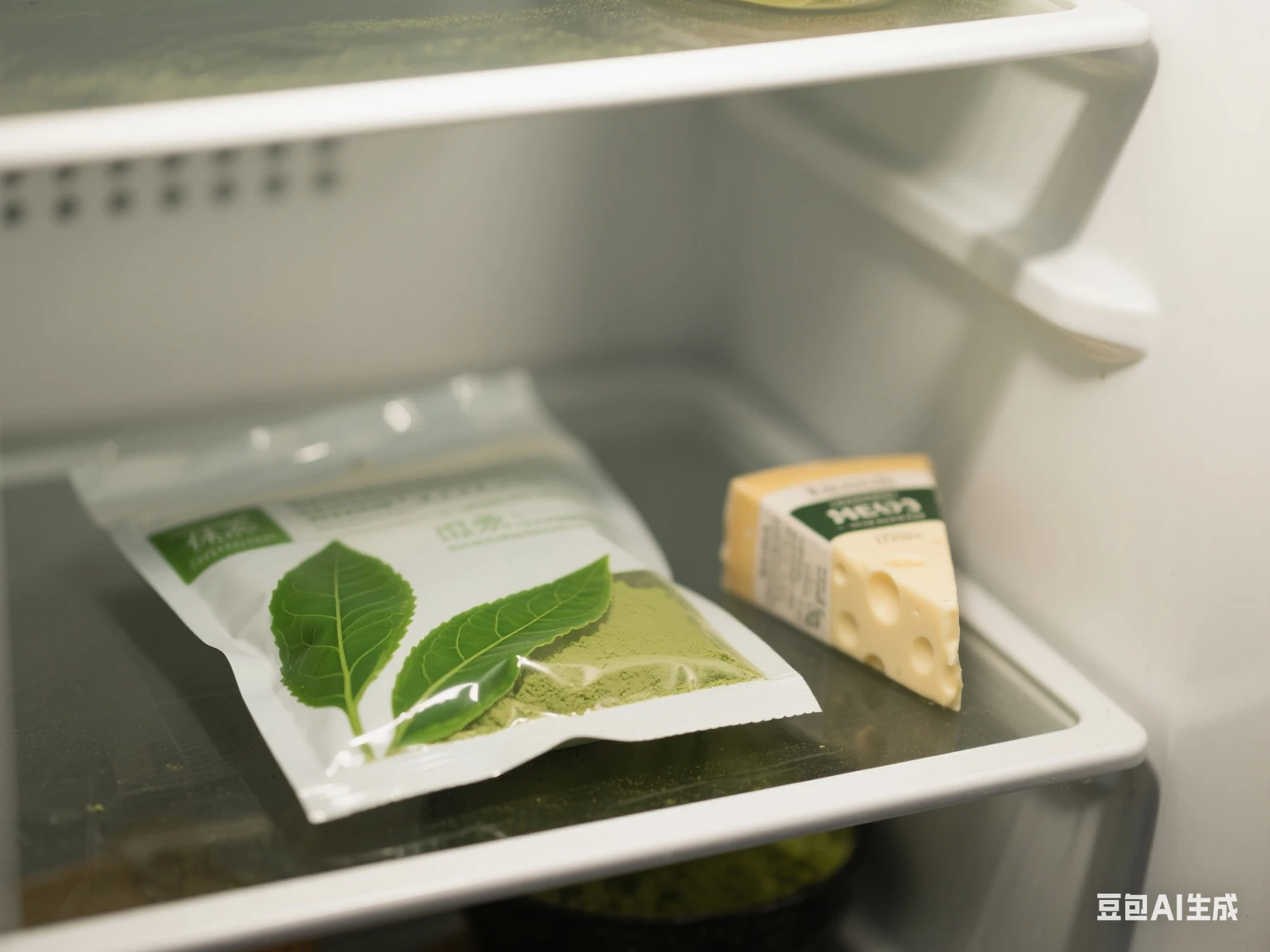
For unopened matcha or bulk purchases:
- Step 1: Vacuum-seal the original packaging or transfer to a vacuum bag. This eliminates oxygen, the main culprit of flavor loss .
- Step 2: Place in a freezer-safe, opaque container for extra protection against light and moisture .
- Step 3: Store in the freezer (0°F/-18°C or below). Freezing slows down chemical reactions, keeping matcha fresh for up to 6 months .
Critical Warning: Never thaw and refreeze matcha repeatedly. Each thaw cycle introduces moisture and triggers oxidation, ruining texture and flavor . Thaw only the amount you’ll use within 1–2 weeks.
3. Emergency Room Temperature Storage (Up to 1 Week)
If refrigeration isn’t available:
- Choose a cool, dark spot (e.g., a kitchen cabinet away from the stove or window). Temperature should stay below 77°F (25°C) .
- Use an airtight container and open it as infrequently as possible. This method is a last resort—flavor will degrade faster .
III. How to Tell If Matcha Has Expired? 2 Foolproof Tests
Based on guidelines from Tea Guardian and Uji Matcha Association :
1. Smell the Aroma
- Fresh Matcha: Bright, grassy, and slightly sweet with a hint of umami .
- Expired Matcha: Musty, stale, or has no aroma at all. A bitter or metallic smell means it’s gone bad .
2. Check the Color
- Fresh Matcha: Vibrant spring green, uniform in hue .
- Expired Matcha: Dull yellow-brown, grayish, or has dark spots (signs of mold or oxidation) .
Note: Even if within the "best before" date, matcha can expire early if stored poorly. Always trust your senses over the label .
IV. Bonus: Shelf Life Myths Debunked
-
Myth 1: "Unopened matcha lasts forever."
Fact: Unopened matcha has a shelf life of 12 months from the production date (when stored properly). After that, flavor and nutrients decline .
-
Myth 2: "Room temperature storage is safer than refrigeration."
Fact: Refrigeration (when sealed correctly) slows oxidation 3x faster than room temperature. The real danger is improper sealing, not the fridge .
Conclusion
Matcha’s fresh flavor is a precious commodity—protecting it requires little effort but careful attention. For short-term use, seal and refrigerate; for long-term, vacuum-seal and freeze. Avoid repeated thawing, and always check aroma and color before use. With these tips, your matcha will stay vibrant and flavorful until the last scoop!
Sources:
- Matcha Source. (2024). The Science of Matcha Storage. [matchasource.com]
- Japanese Tea Ceremony Association. (2023). Preserving Matcha Quality. [japaneseteaceremony.org]
- Tea Guardian. (2025). How to Identify Spoiled Matcha. [teaguardian.com]
- Uji Matcha Association. (2024). Matcha Shelf Life Guidelines. [ujimatchaassociation.jp]
- DoMatcha. (2023). Refrigerate or Freeze? Matcha Storage FAQ. [domatcha.com]
- Silver Tips Tea. (2024). Avoid These Matcha Storage Mistakes. [silvertipstea.com]
- Matcha.com. (2025). The Ultimate Matcha Storage Guide. [matcha.com]